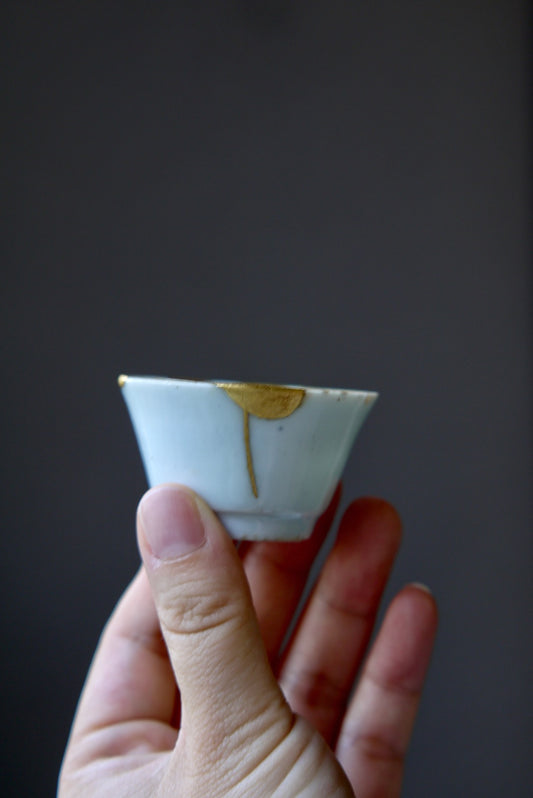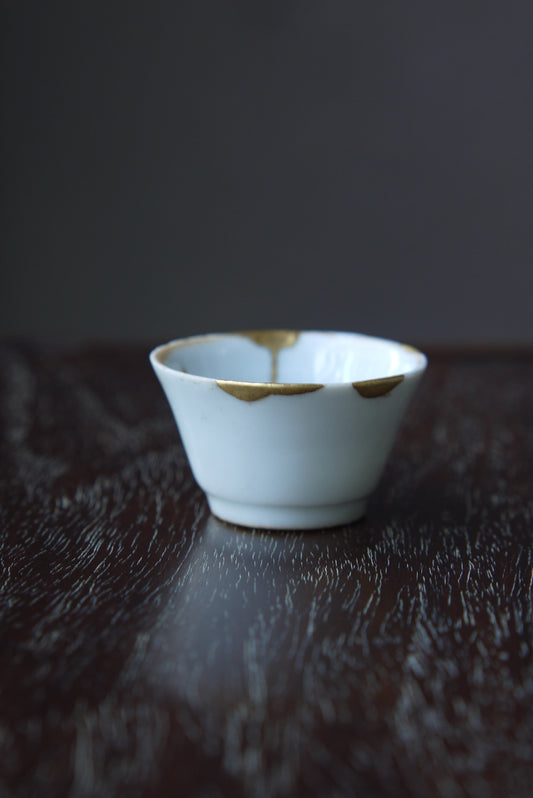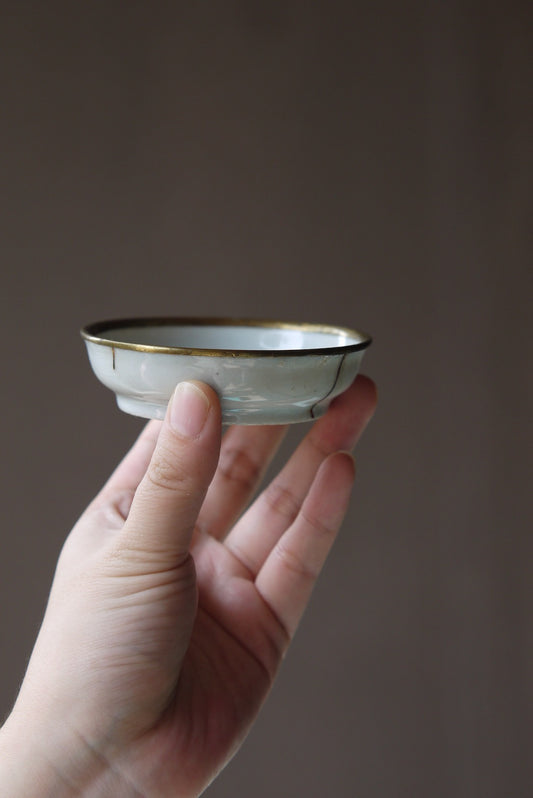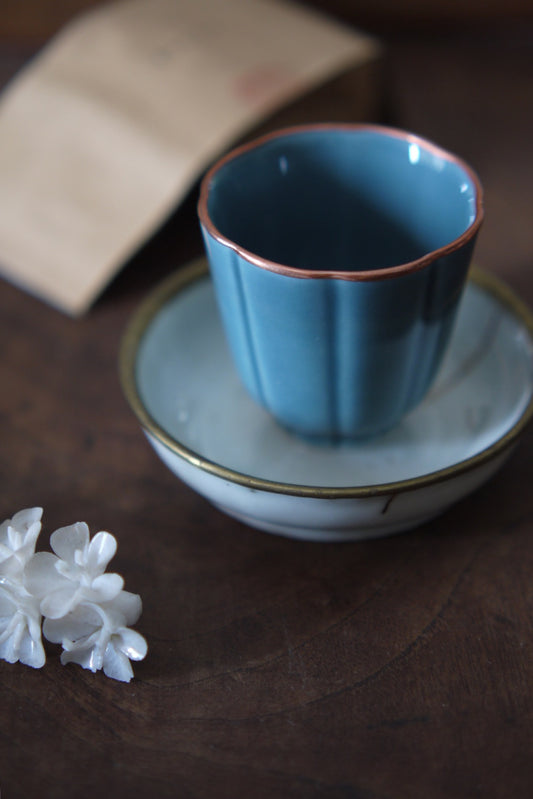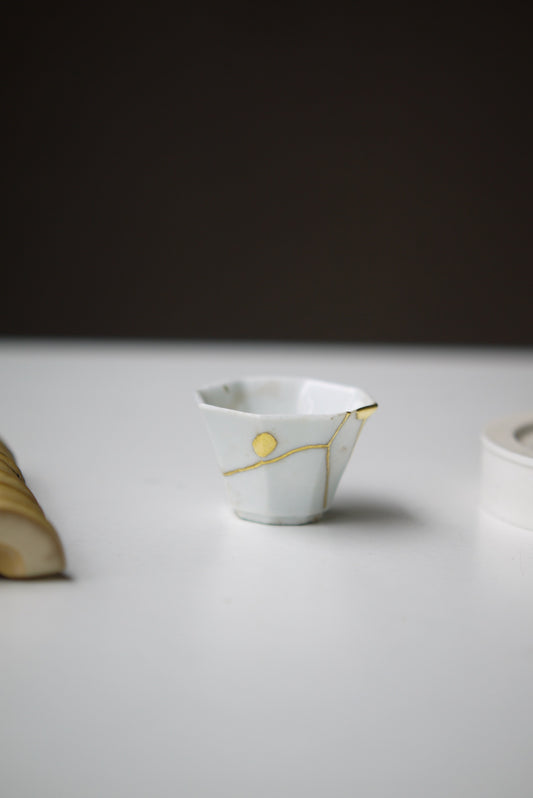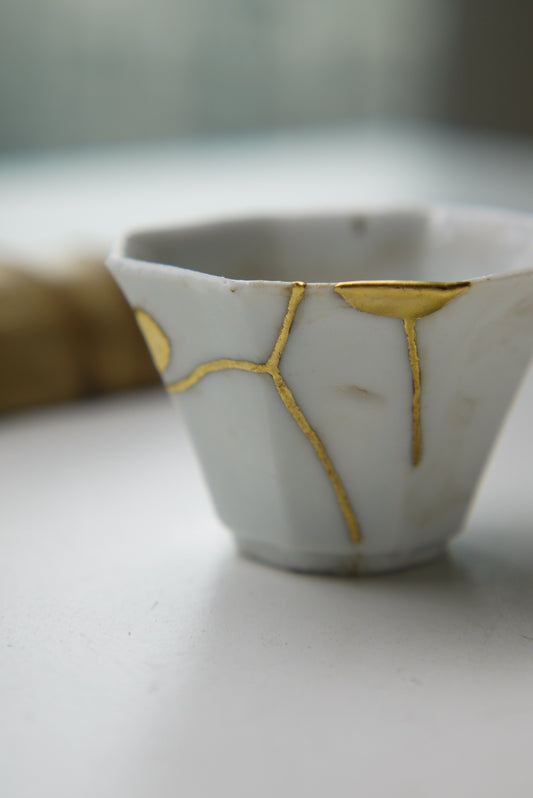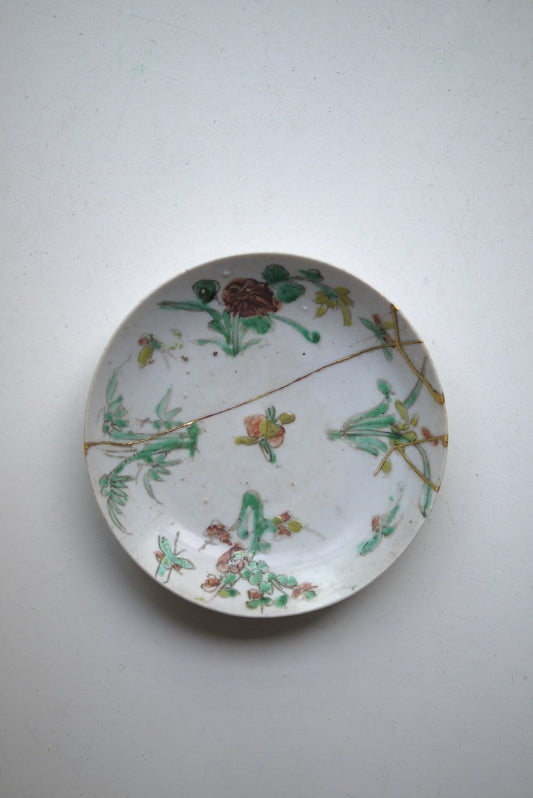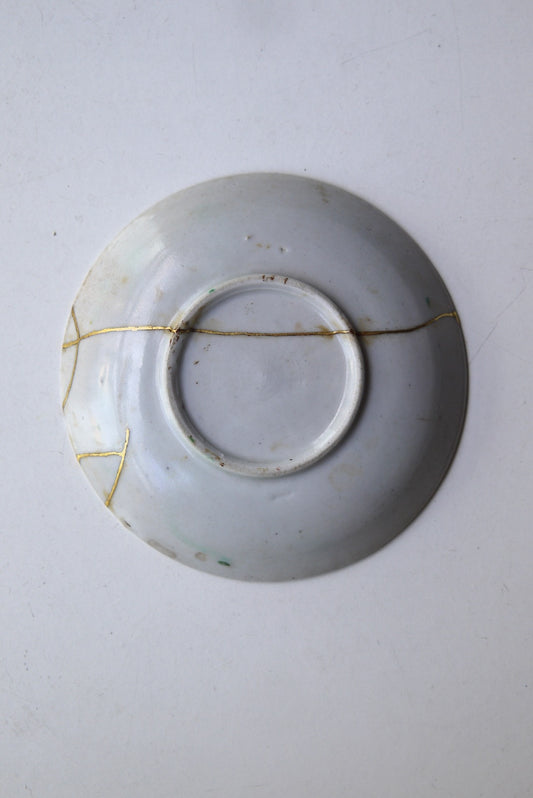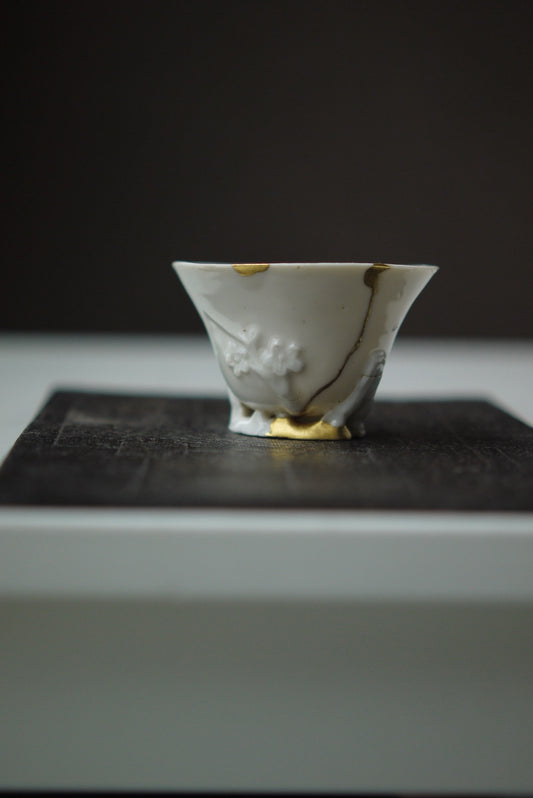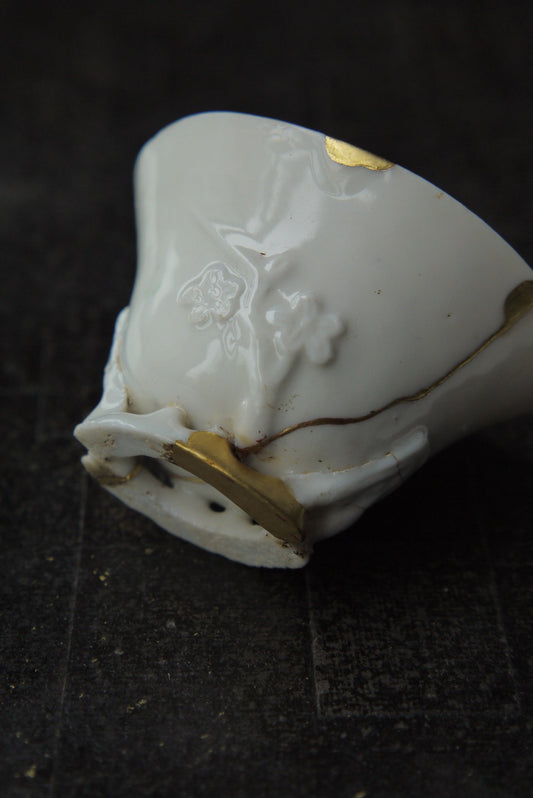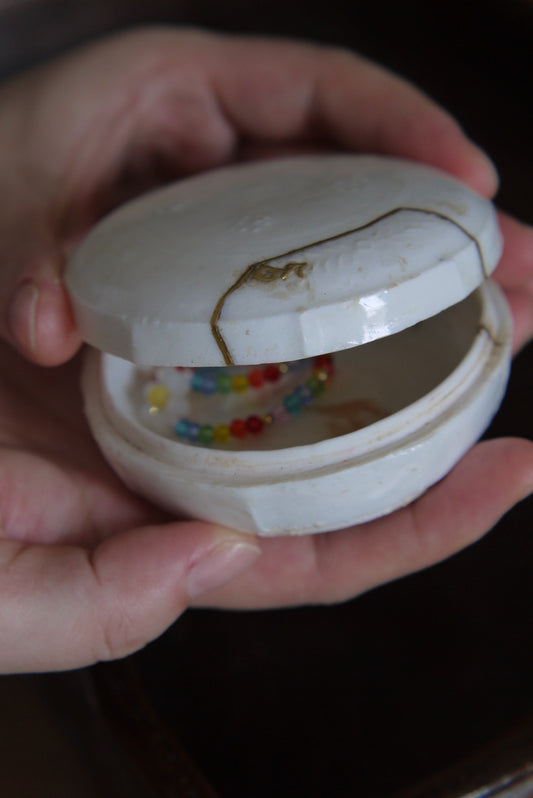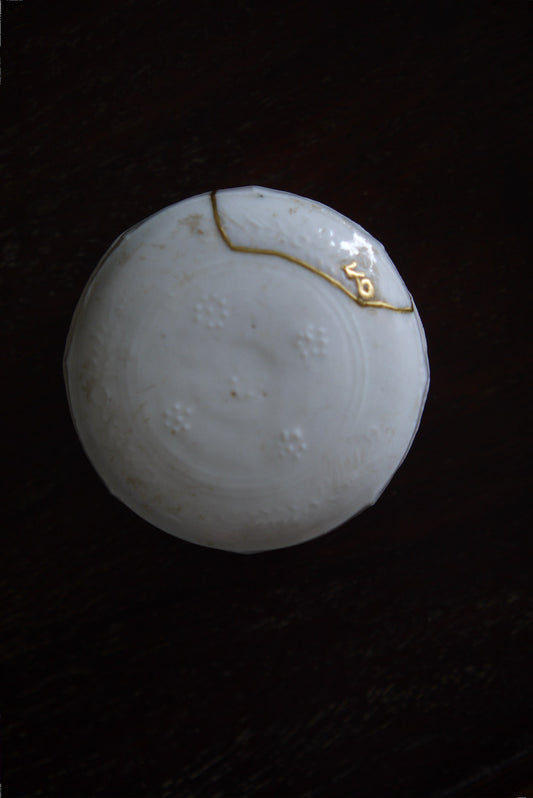
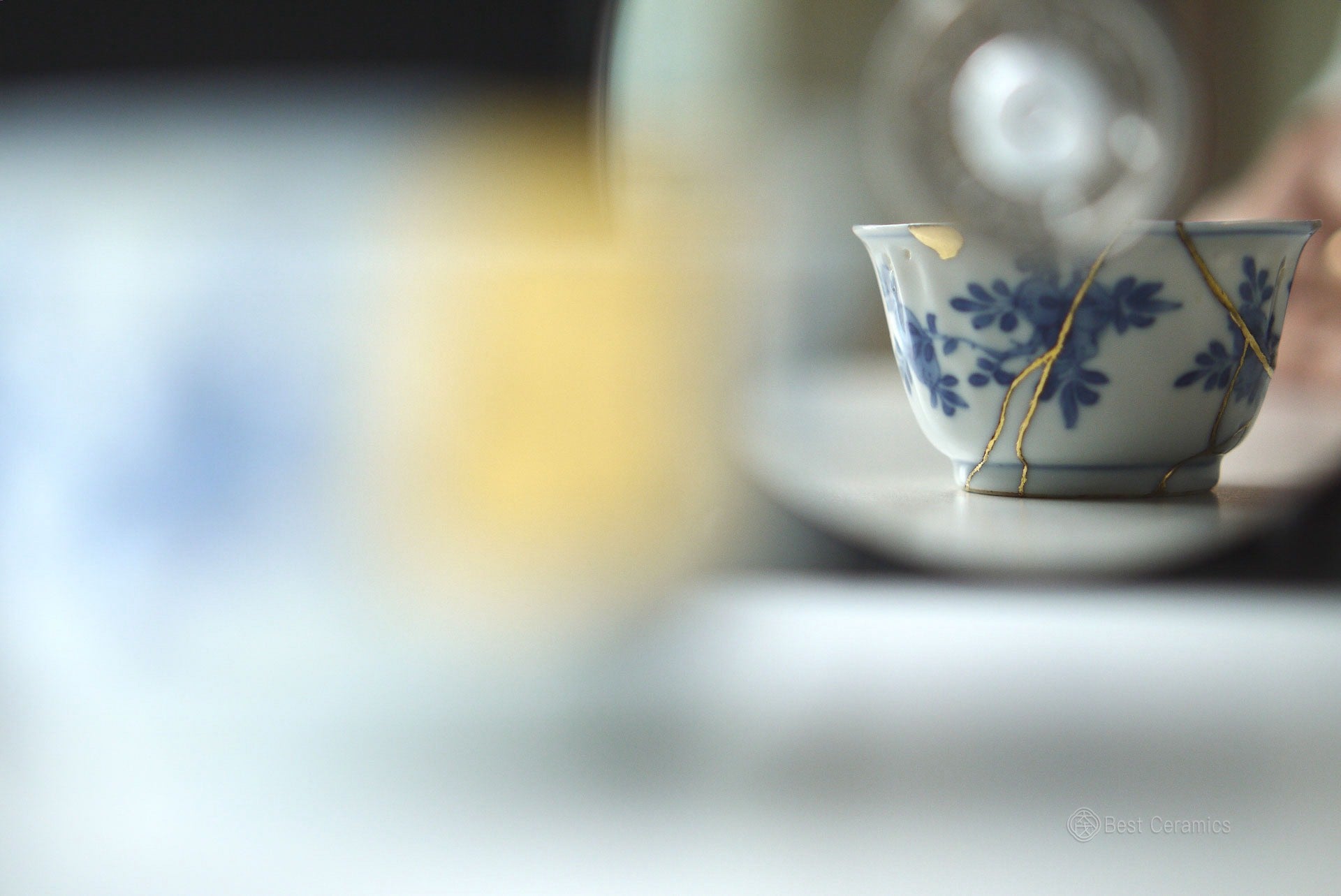
Qu'est-ce que le Kintsugi ?
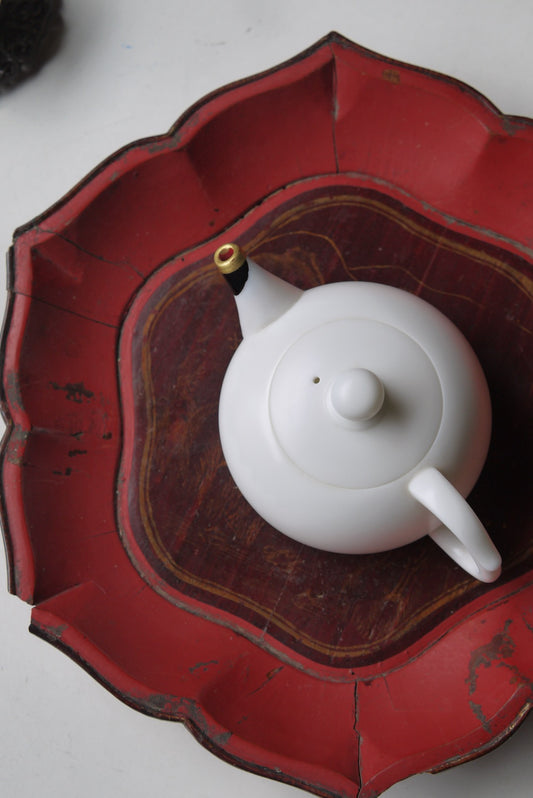
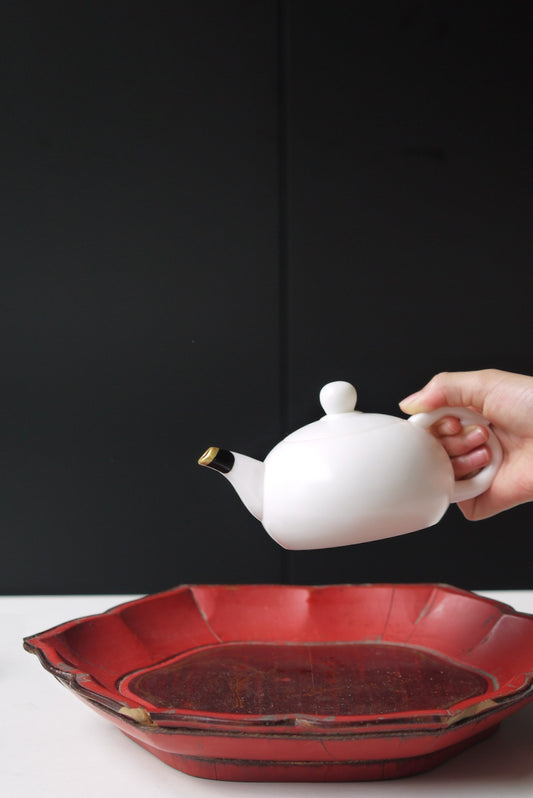
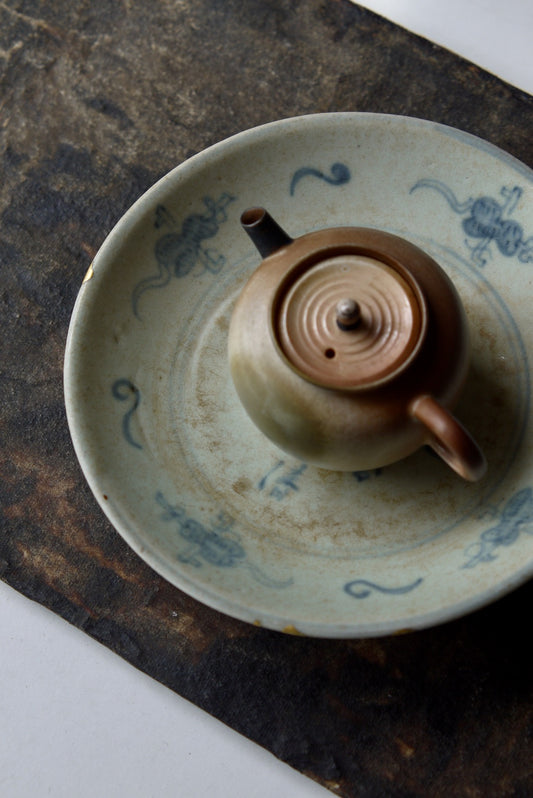
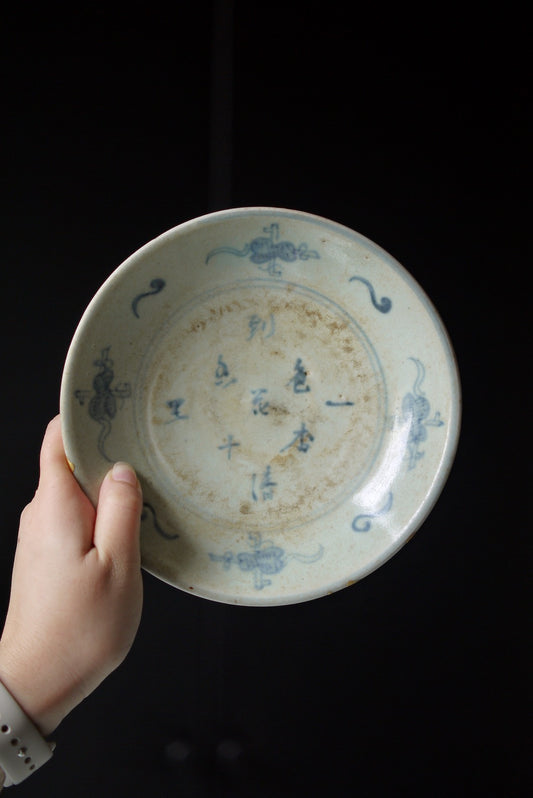
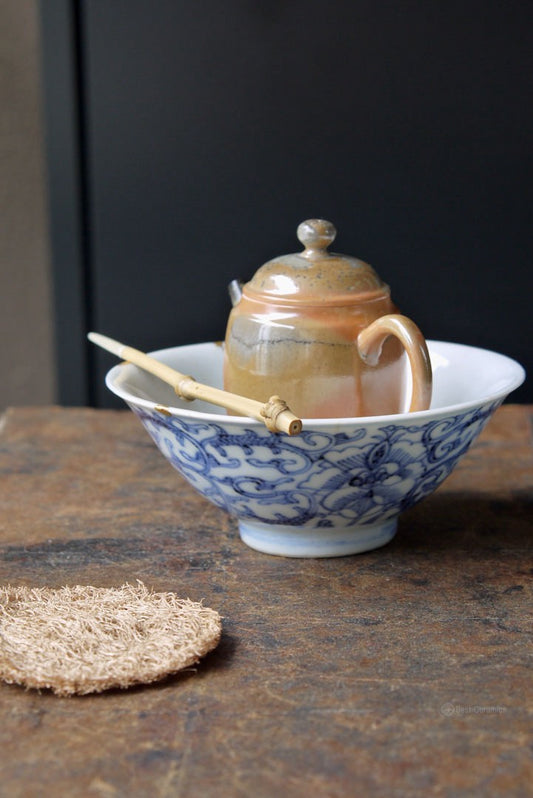
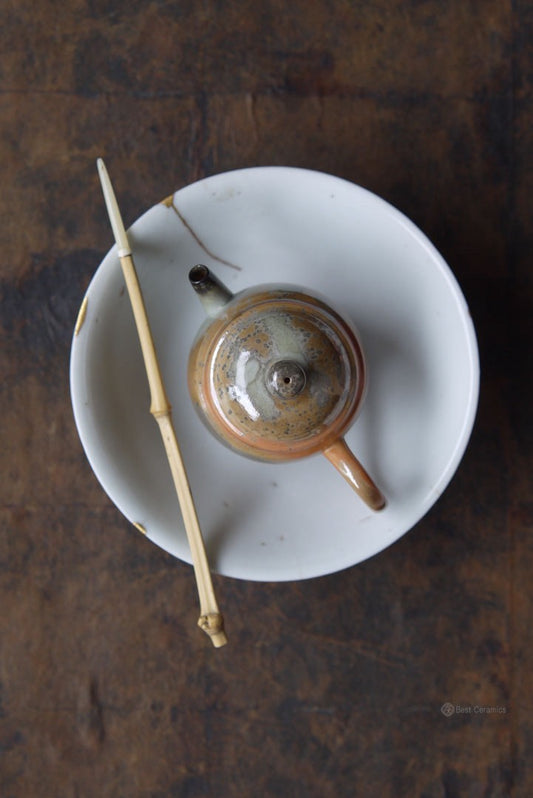
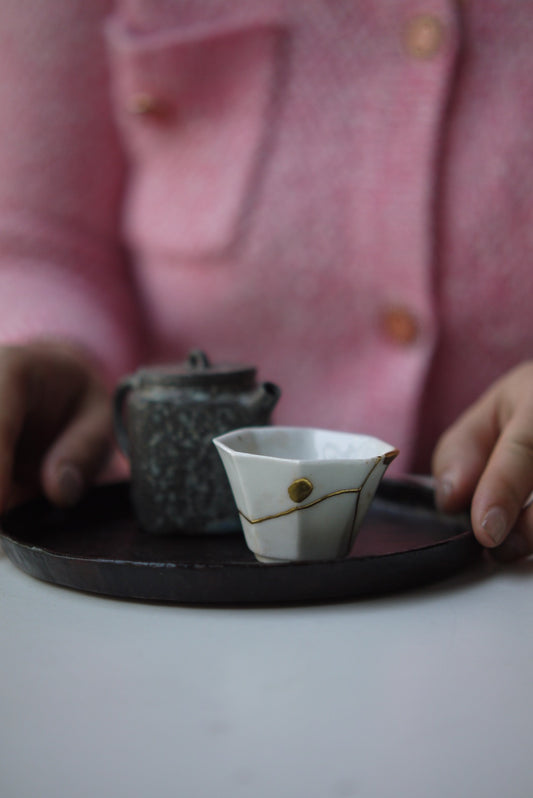
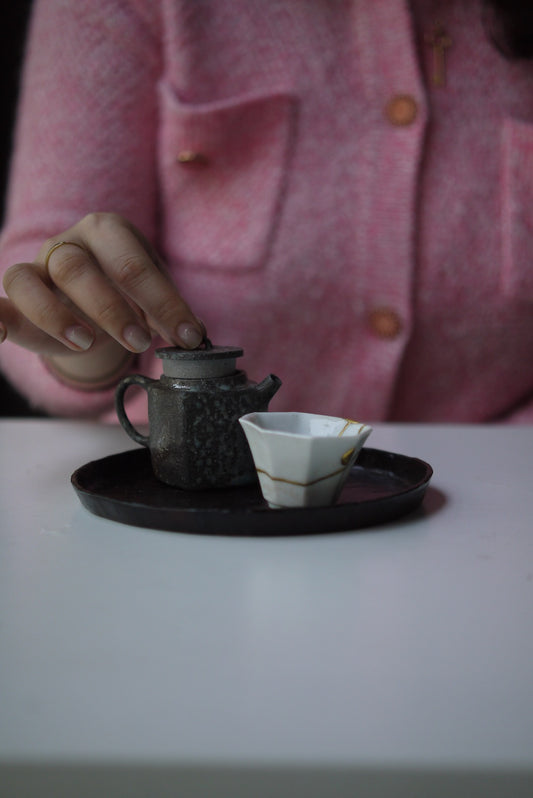
Le kintsugi, une pratique séculaire, consiste à réparer la poterie avec de la laque et de l'or, célébrant ainsi son histoire et sa beauté. Cette technique incarne le wabi-sabi, la valorisation de l'imperfection.
-
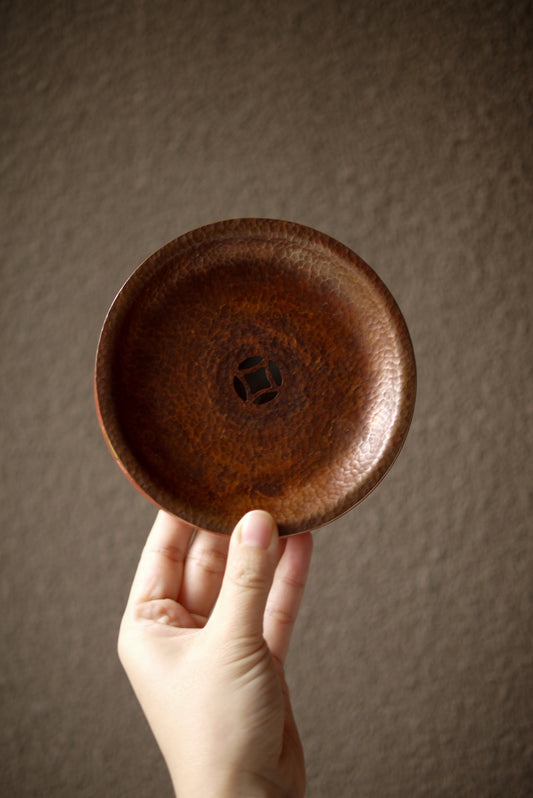
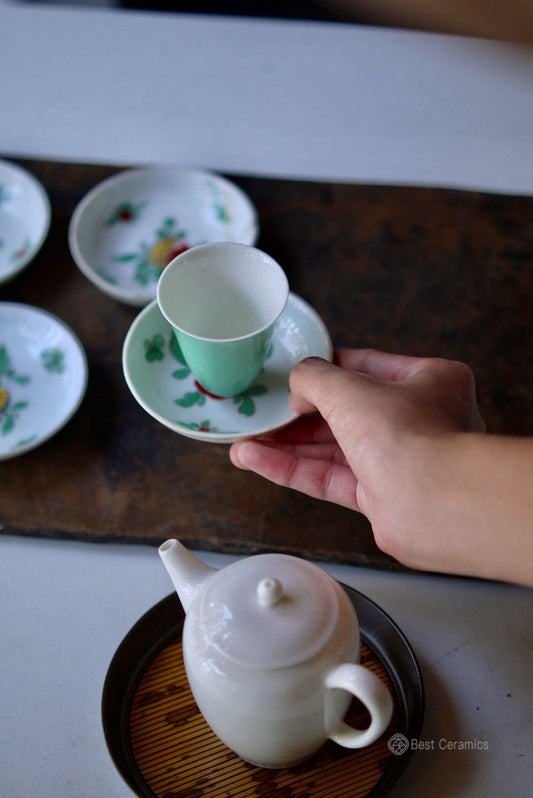
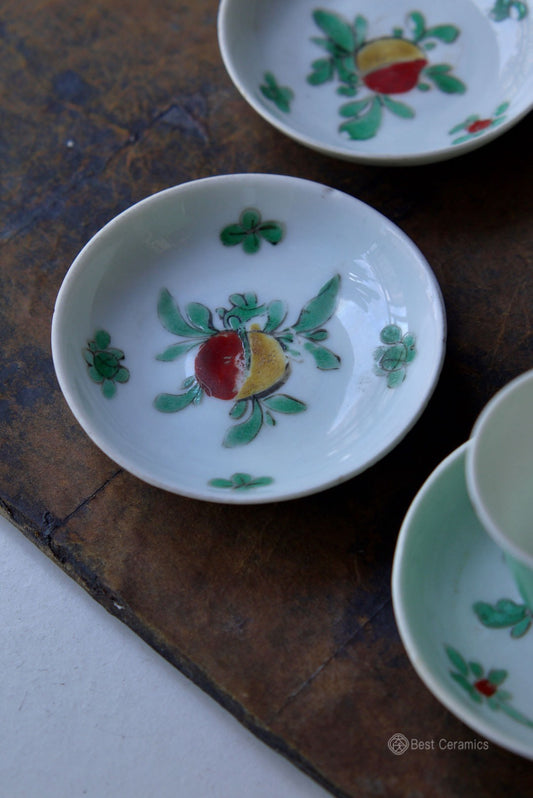
soucoupes à thé vintage Dehua Famille Rose
Prix habituel $189.00 USDPrix habituel$299.00 USDPrix promotionnel $189.00 USDPromotion -
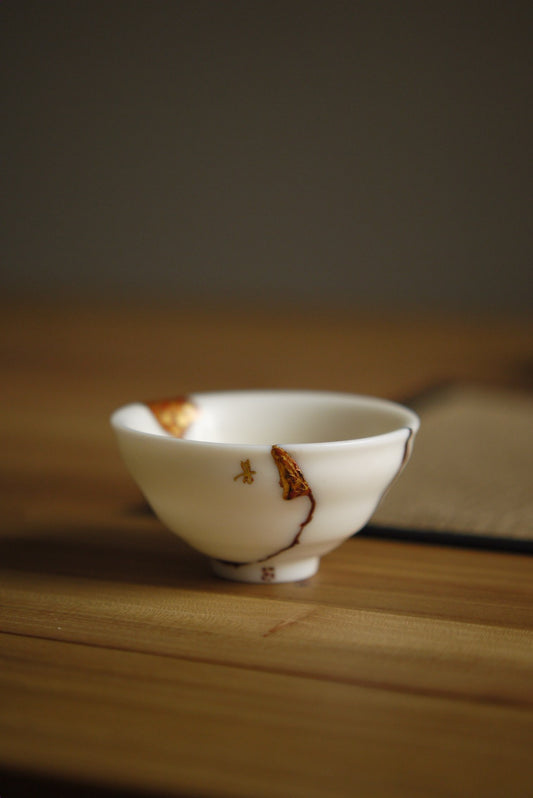
Théière artisanale raffinée
Prix habituel $499.00 USDPrix habituelPrix promotionnel $499.00 USD -
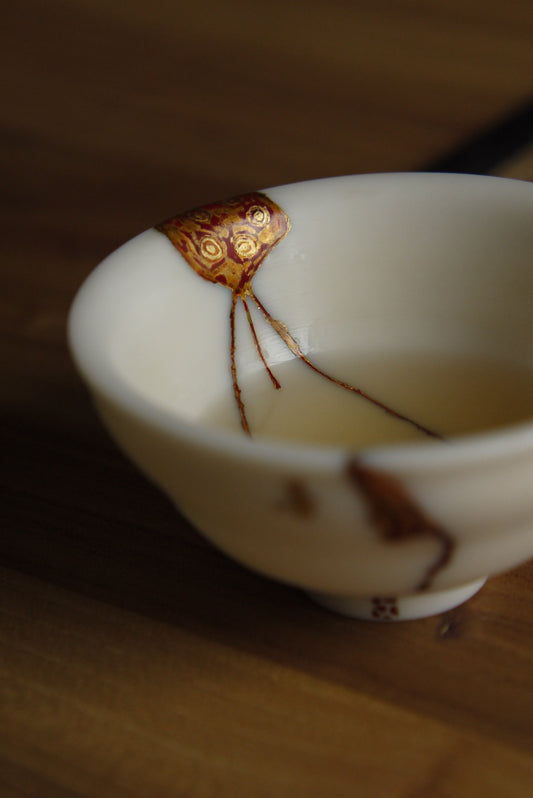
PromotionAssiette bleue antique Wabi-Sabi
Prix habituel $239.00 USDPrix habituel$299.00 USDPrix promotionnel $239.00 USDPromotion -
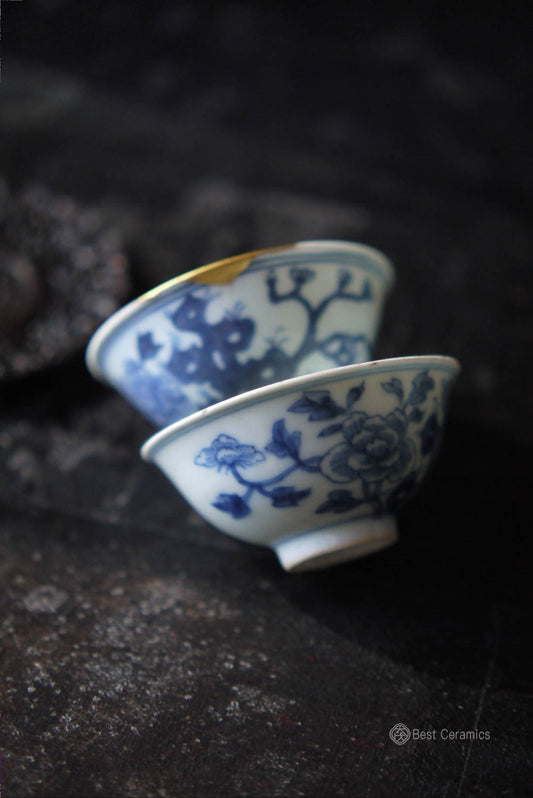
Bol à thé antique Kintsugi
Prix habituel $399.00 USDPrix habituelPrix promotionnel $399.00 USD -
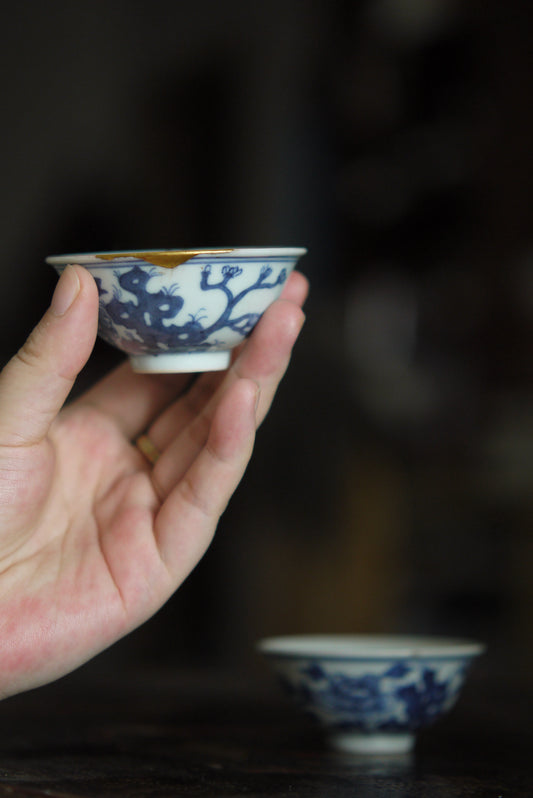
ÉpuiséTasse à thé Dehua Kintsugi
Prix habituel $96.00 USDPrix habituelPrix promotionnel $96.00 USDÉpuisé -
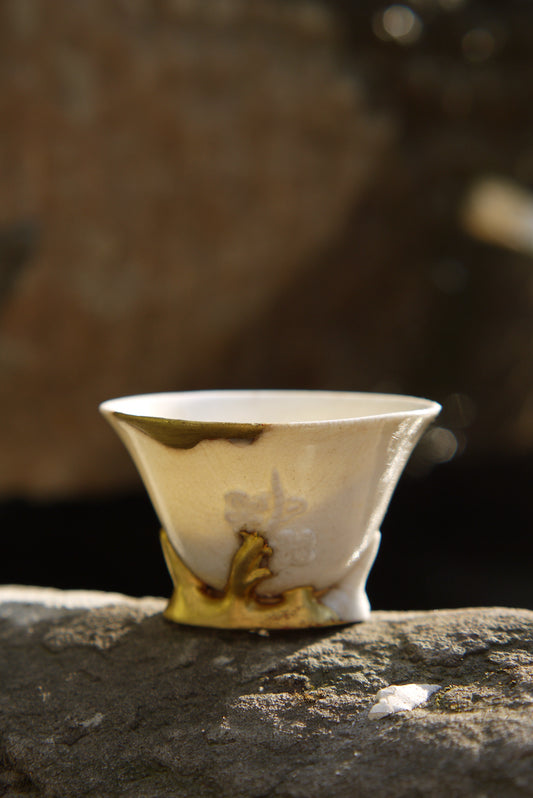
Ensemble de théières de style Wabisabi
Prix habituel $1,249.00 USDPrix habituelPrix promotionnel $1,249.00 USD -
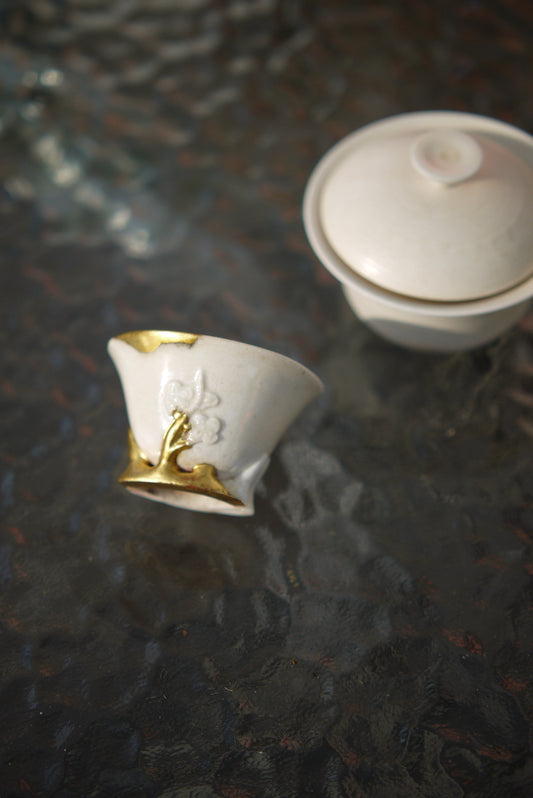
Tasse à thé Kung Fu octogonale
Prix habituel $450.00 USDPrix habituelPrix promotionnel $450.00 USD -
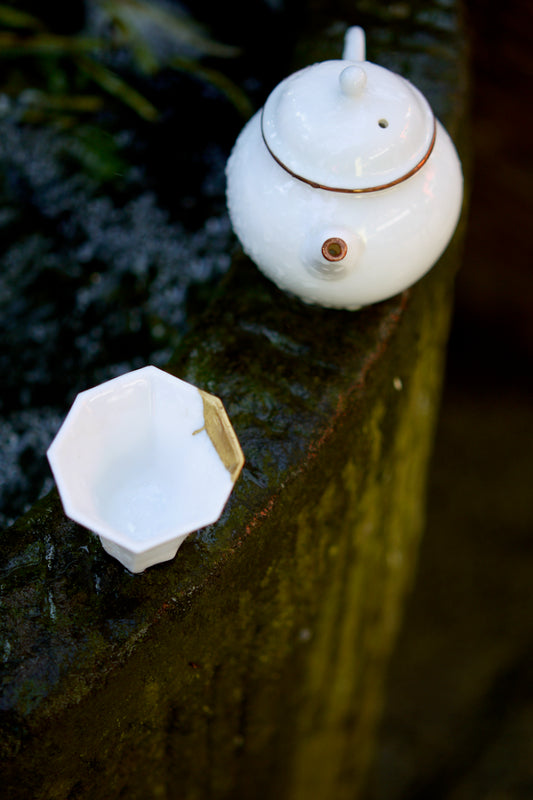
PromotionTasse à thé Ruoshen Kungfu
Prix habituel $459.00 USDPrix habituel$599.00 USDPrix promotionnel $459.00 USDPromotion -
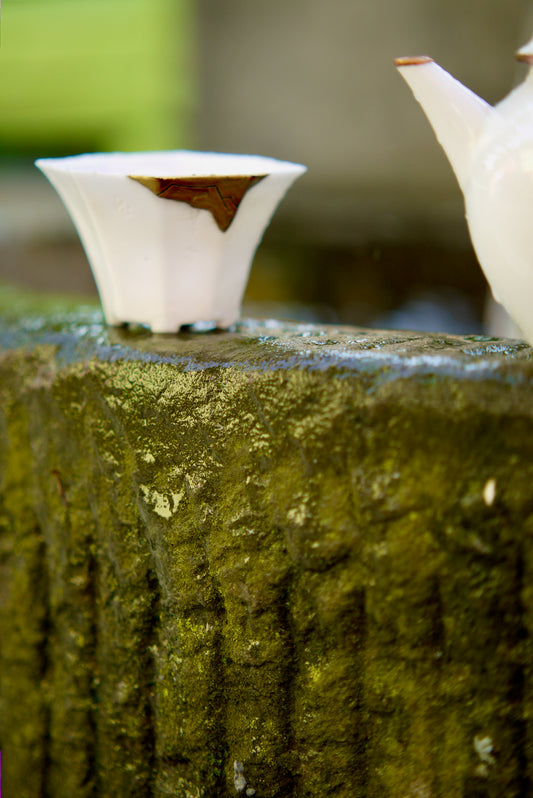
PromotionPlateau à thé Kintsugi Fencai
Prix habituel $299.00 USDPrix habituel$389.00 USDPrix promotionnel $299.00 USDPromotion -
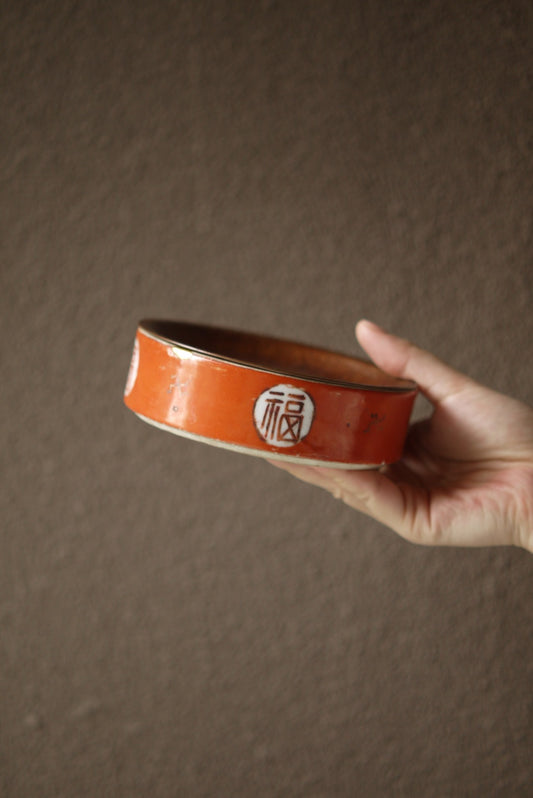
ÉpuiséBateau à thé Fu
Prix habituel $299.00 USDPrix habituelPrix promotionnel $299.00 USDÉpuisé -
Coupe Kintsugi Fleurs de Prunier
Prix habituel $699.00 USDPrix habituelPrix promotionnel $699.00 USD -
Boîte en porcelaine exquise
Prix habituel $98.00 USDPrix habituelPrix promotionnel $98.00 USD -
ÉpuiséCharme été-vert
Prix habituel $69.00 USDPrix habituelPrix promotionnel $69.00 USDÉpuisé -
ÉpuiséTasse à thé Kintsugi
Prix habituel $199.00 USDPrix habituelPrix promotionnel $199.00 USDÉpuisé -
Tasses à thé Qinghua Kintsugi
Prix habituel $480.00 USDPrix habituelPrix promotionnel $480.00 USD -
Tasse à thé Kintsugi Wintersweet
Prix habituel $450.00 USDPrix habituelPrix promotionnel $450.00 USDÉpuisé -
ÉpuiséTasse à thé poèmes
Prix habituel $399.00 USDPrix habituel$499.00 USDPrix promotionnel $399.00 USDÉpuisé
Kintsugi FAQ
What is Kintsugi exactly?
Kintsugi (金缮/金繕) is a traditional Japanese technique of repairing broken pottery by filling cracks and breaks with lacquer and decorating them with powdered metal (gold, silver, etc.). Instead of hiding damage, it highlights the “scars” as part of the piece’s history and beauty.
Is a kintsugi‑repaired piece safe for food or tea?
Yes — if repaired using traditional urushi lacquer and real metal powder (gold or silver), the piece can be food‑ and drink‑safe.
However: avoid exposing it to extreme heat (microwave, oven), and avoid dishwasher or strong cleaners — these can damage lacquer or metal surfaces.
How should I care for and clean kintsugi pottery?
Follow these rules for best longevity:
- Hand‑wash only with soft sponge or cloth and mild detergent / warm water.
- Rinse thoroughly, dry immediately with soft cloth — avoid soaking or leaving water too long.
- Never use dishwasher, microwave, oven, or expose to abrupt temperature changes.
- Avoid abrasive sponges, hard brushes, bleach, acidic or alkaline cleaners, and sharp cutlery against repaired lines — to prevent scratching or damaging the lacquer/metal finish.
Can all broken ceramics be repaired with kintsugi?
Not all broken ceramics are suitable for Kintsugi. The technique works best when the fragments fit together neatly and the base material and glaze are compatible with lacquer adhesion. Extremely thin pieces, severely shattered ceramics, or surfaces with glaze that resists bonding may not be reliably repaired using traditional Kintsugi. Experienced practitioners recommend carefully assessing each piece before attempting restoration.
In addition, some modern “quick fixes” using epoxy resin or other artificial materials, while convenient, generally do not adhere to traditional standards and are not recommended for vessels intended for food or drink.
Is kintsugi repair permanent? Can it be redone if needed later?
Traditional Kintsugi using urushi lacquer can last a very long time if properly cured and maintained — many preserved works have endured for decades, even centuries. If the lacquer layer degrades due to wear, chemical exposure, or extreme environmental conditions, experienced artisans can re‑lacquer or restore the piece. This ability to be repaired and renewed is one reason why Kintsugi is considered a sustainable and regenerative art form.
Are there allergy or health concerns with urushi lacquer?
Yes — raw, uncured urushi lacquer (urushiol) can irritate the skin or trigger allergic reactions, much like poison ivy. Many traditional craftsmen recommend wearing gloves, long sleeves, and working in a well-ventilated space when handling uncured lacquer.
Once the lacquer is fully cured and sealed, lacquerware is generally safe for everyday use. However, if you have known sensitivities to natural resins, it’s wise to exercise caution or choose pieces that are professionally treated and clearly marked as food-safe.
Is kintsugi environmentally friendly or sustainable?
Yes. Kintsugi embodies the philosophy of repair, reuse, and respect for objects. Instead of discarding broken pottery, it transforms damage into beauty, extending the life of items and reducing waste. This aligns with sustainable living ideals and adds unique historical/aesthetic value.