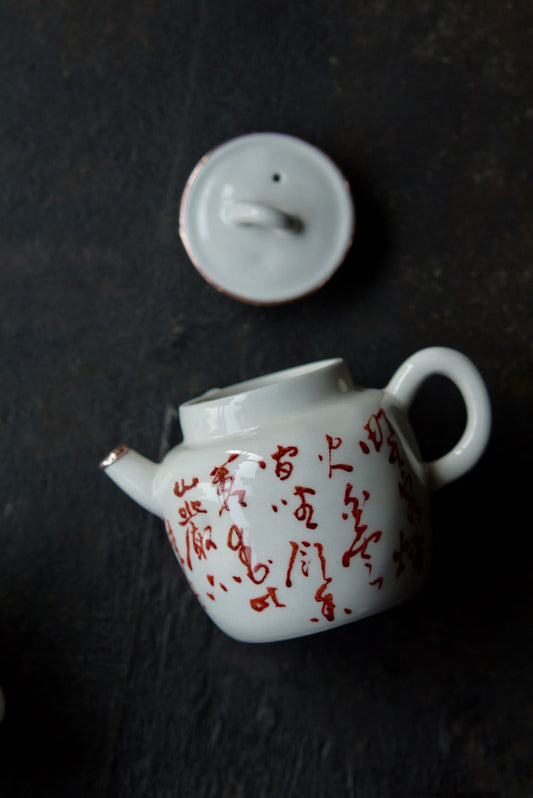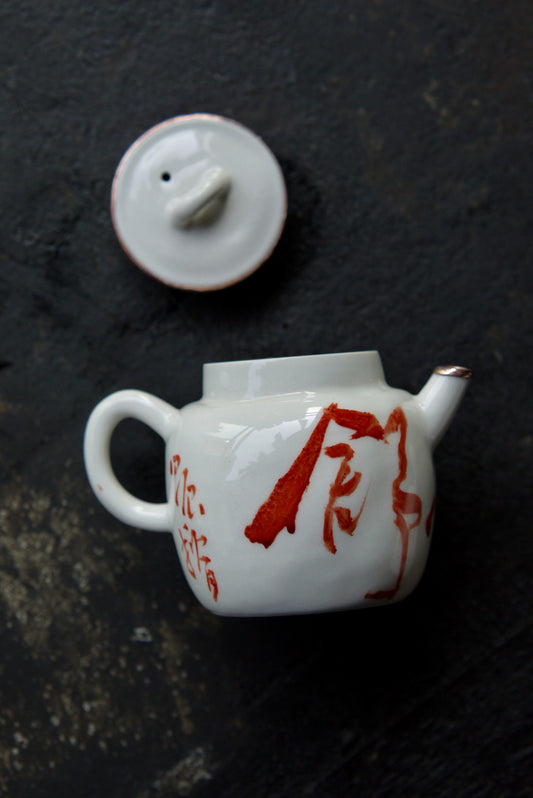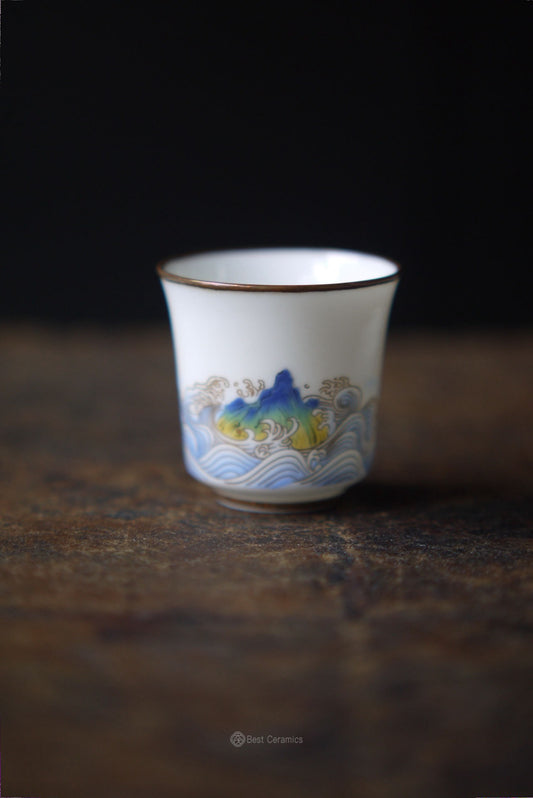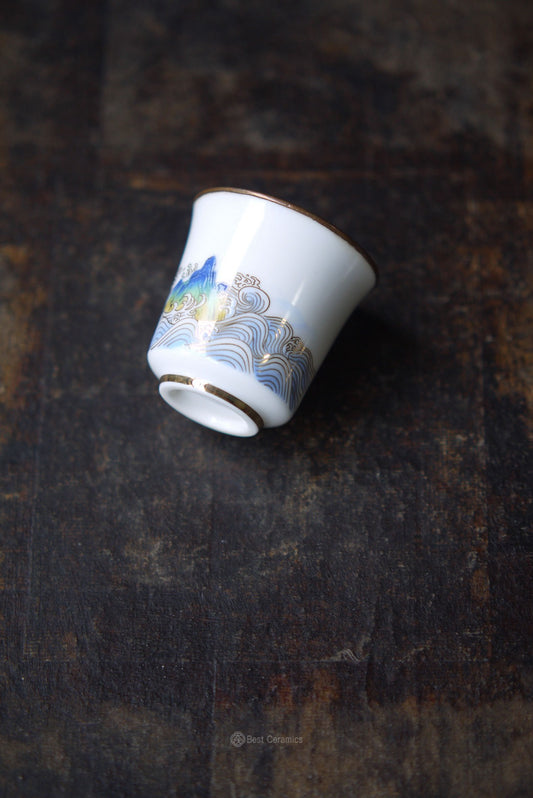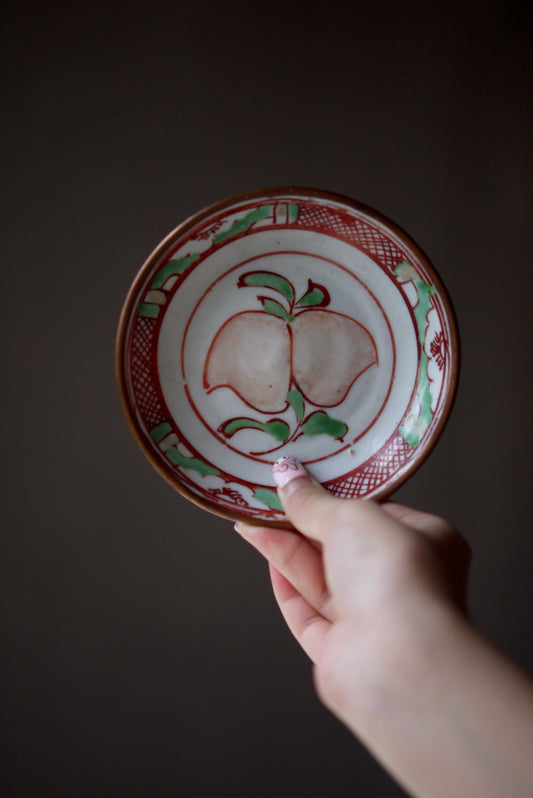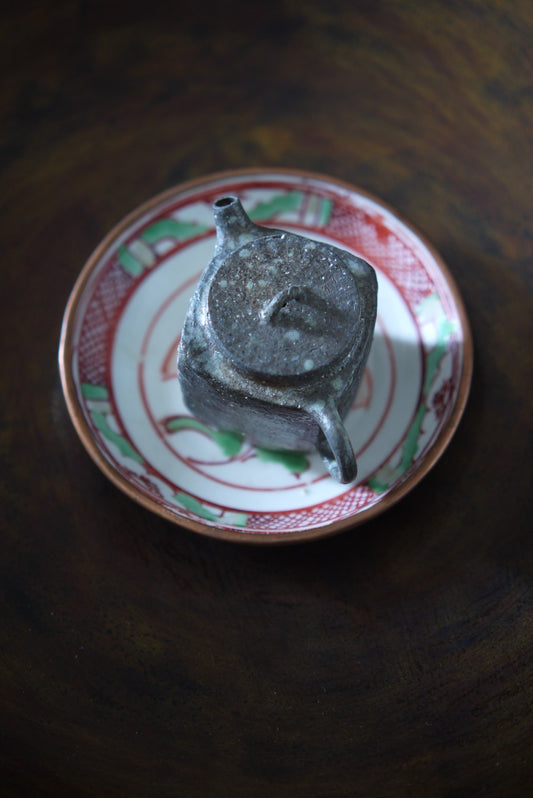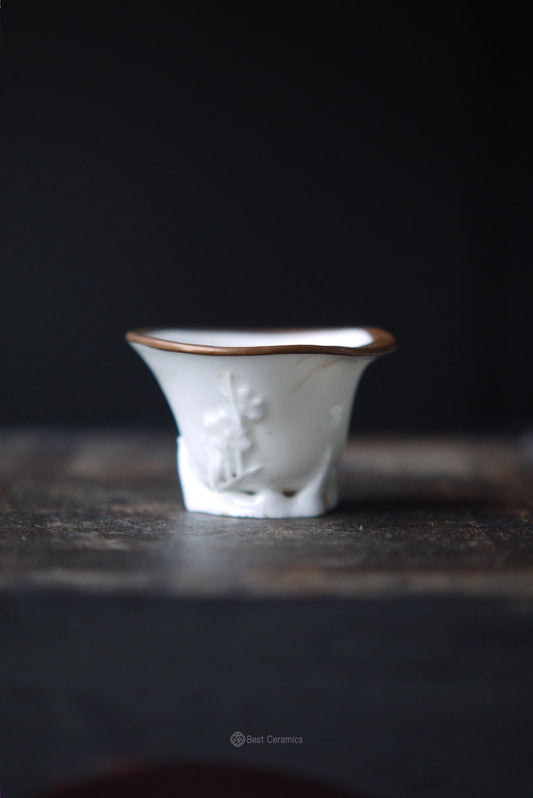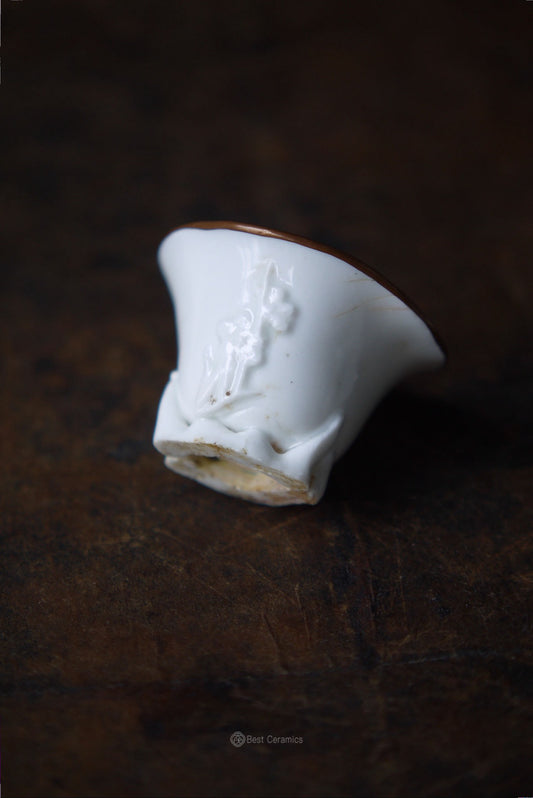
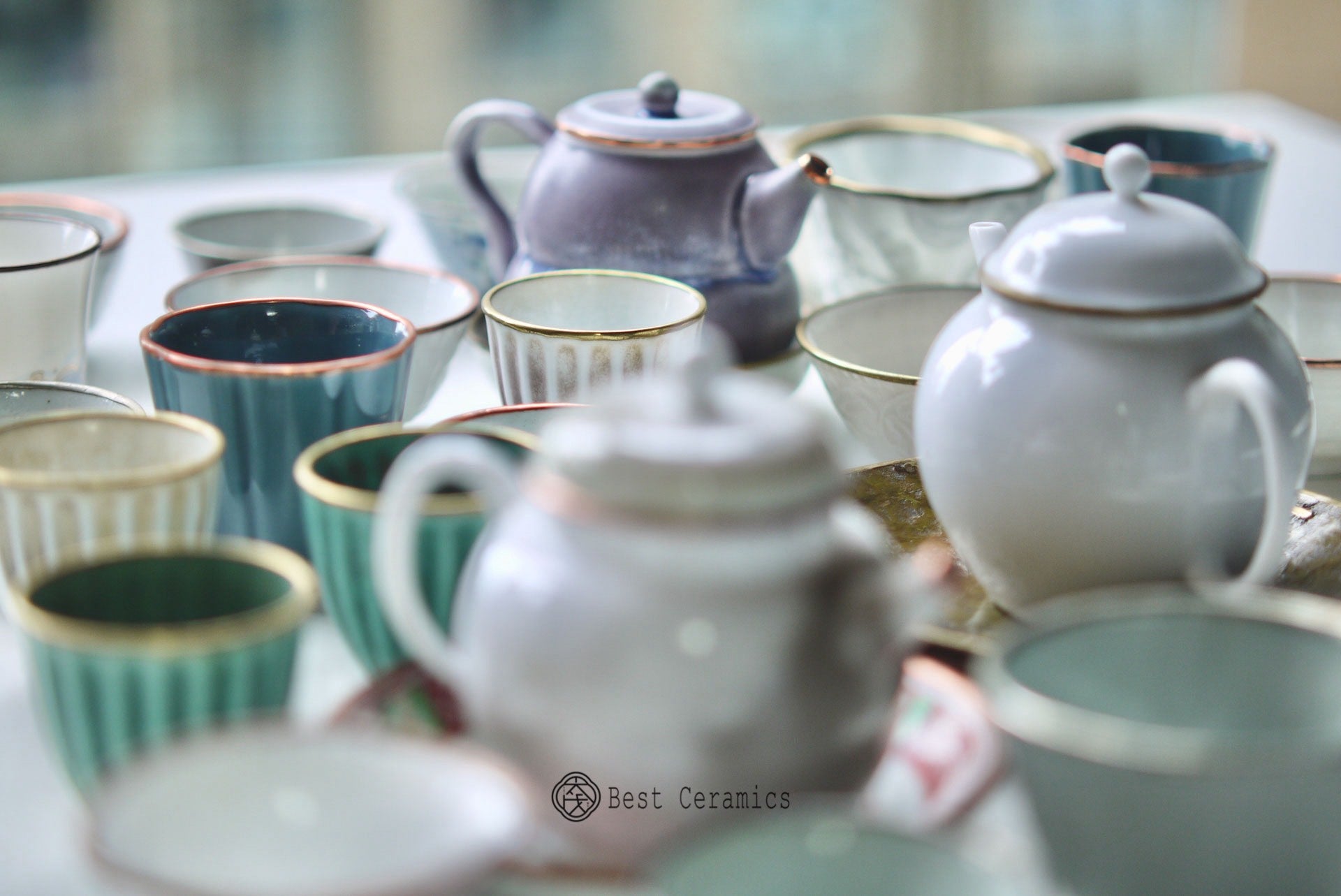
Qu'est-ce que Kou ?
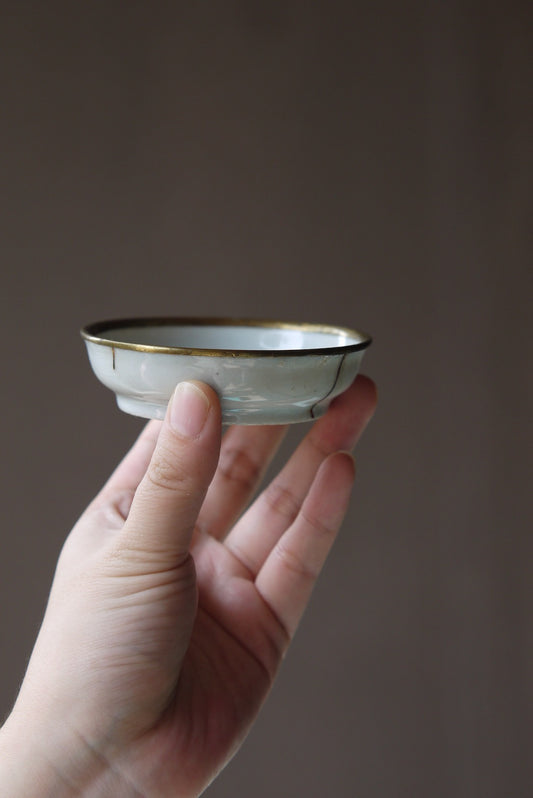
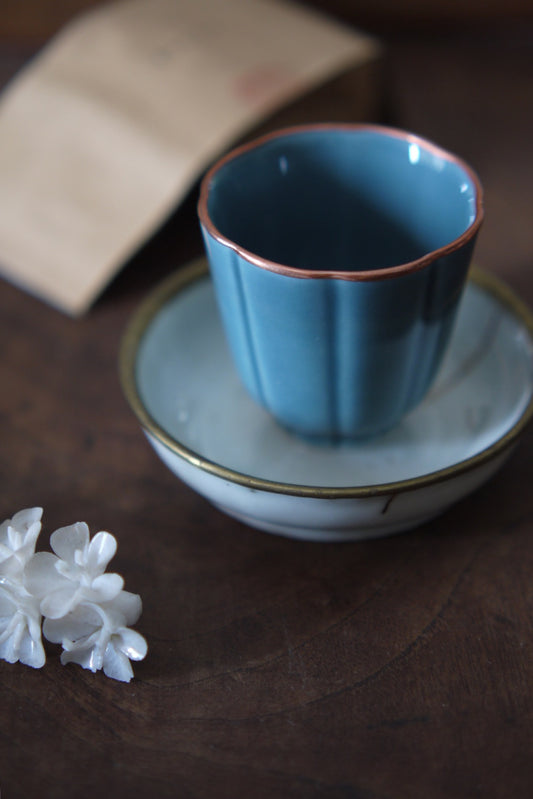
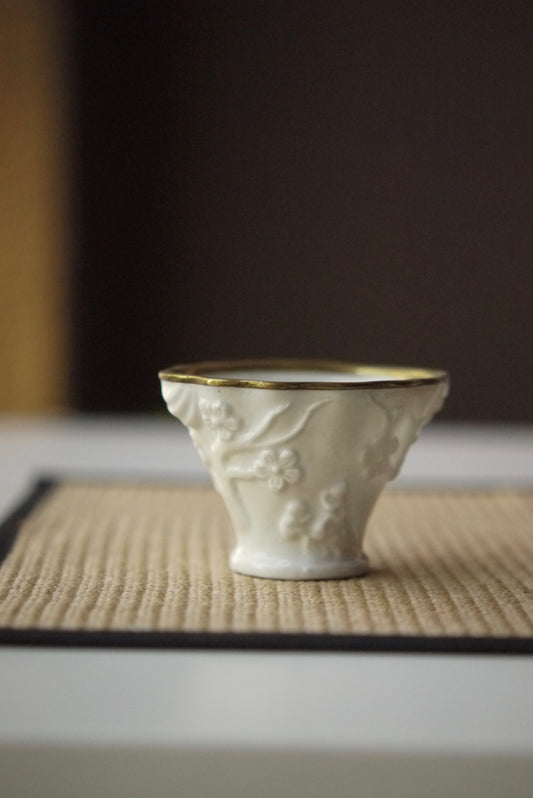
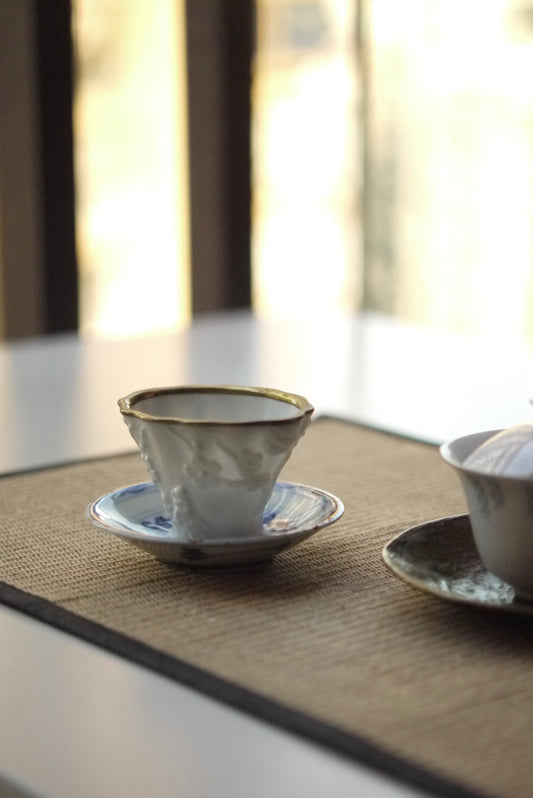
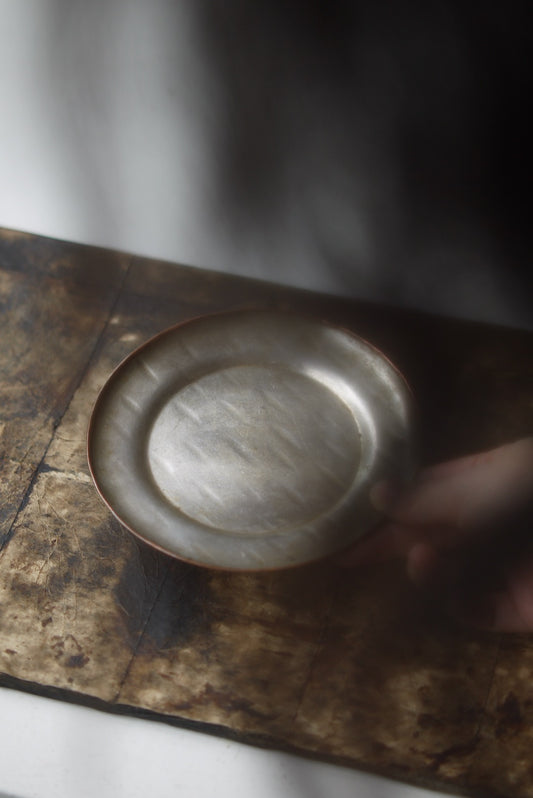
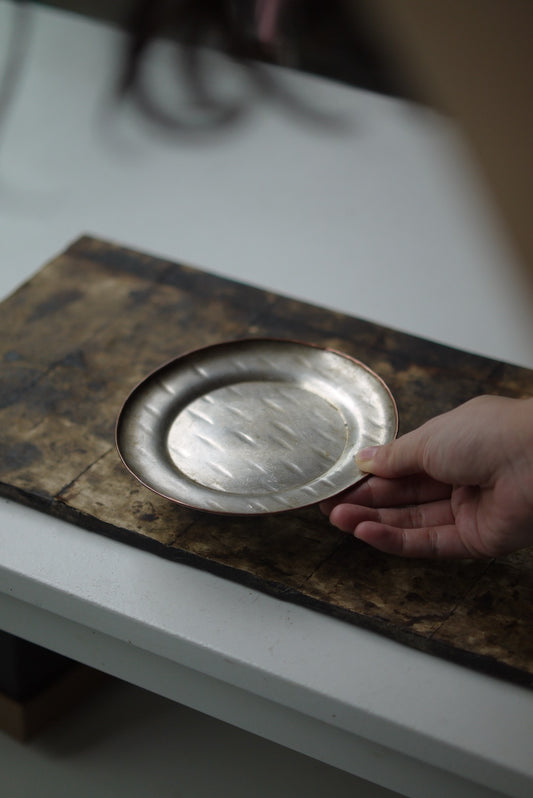
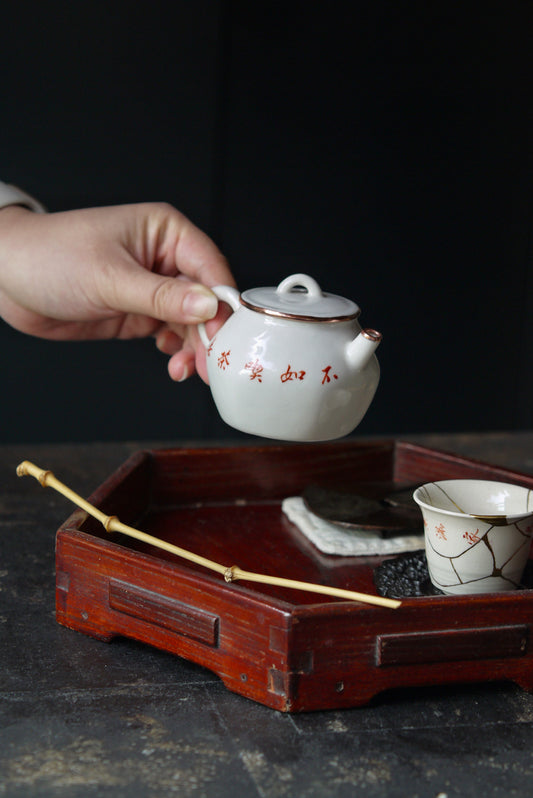
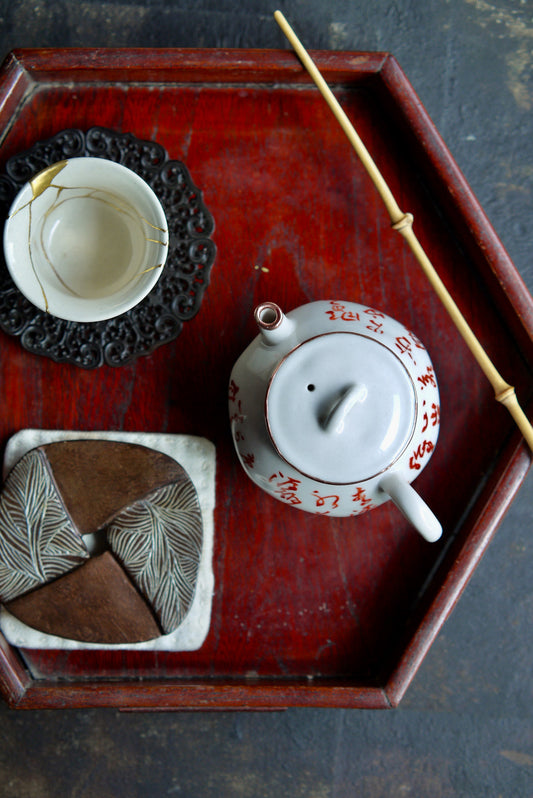
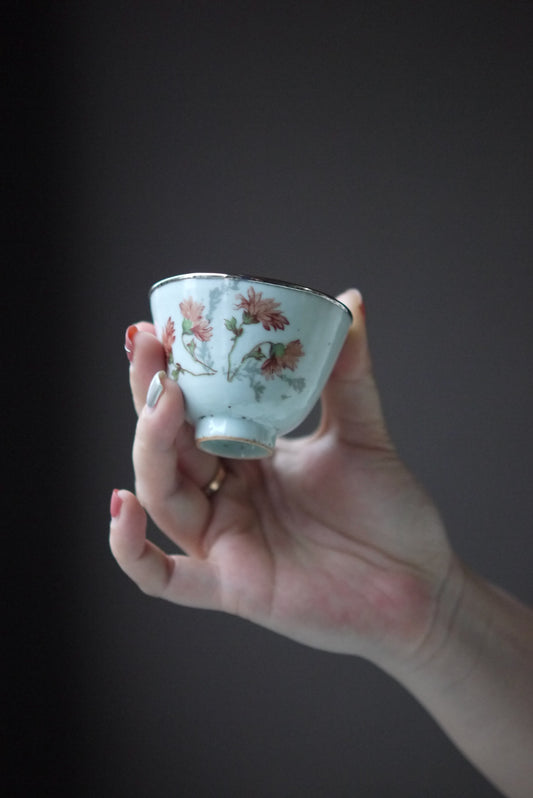
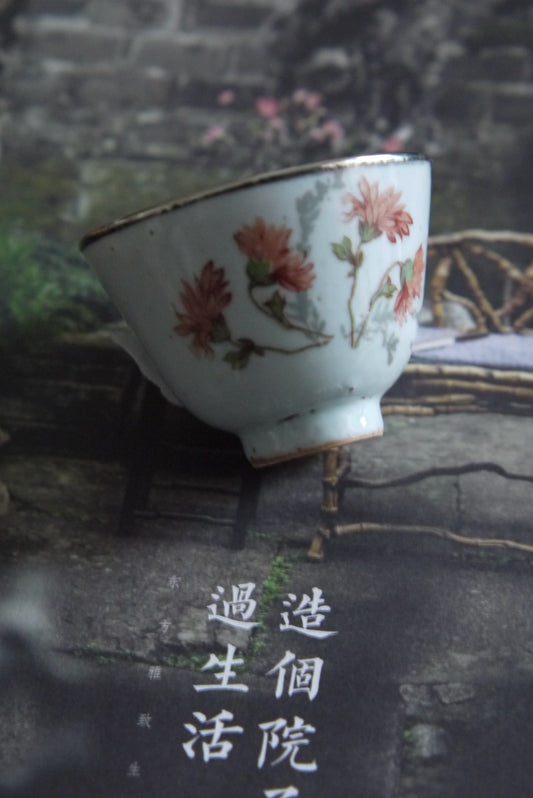
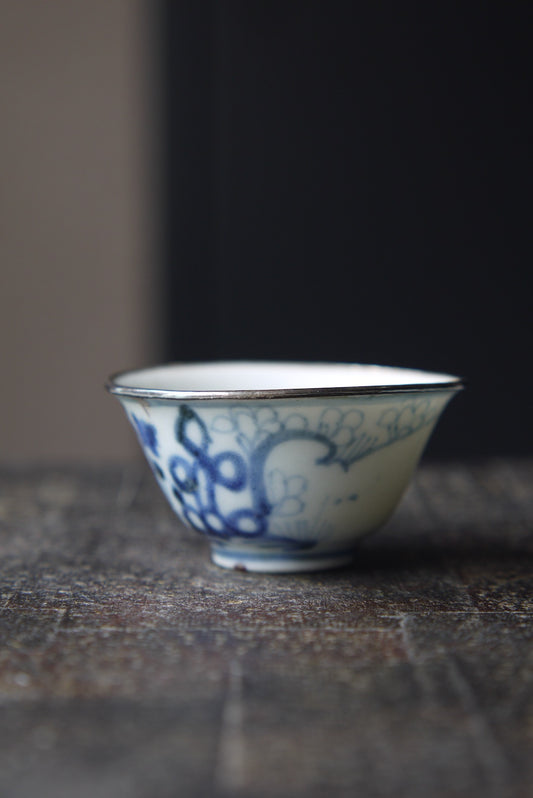
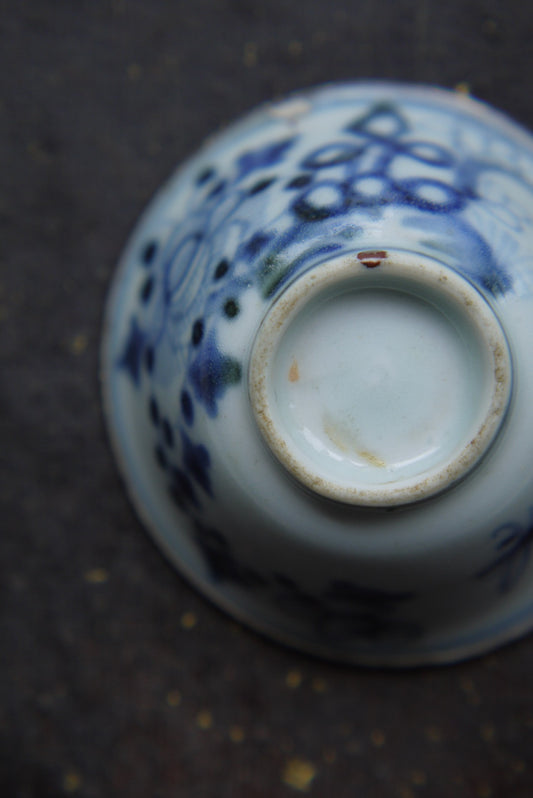
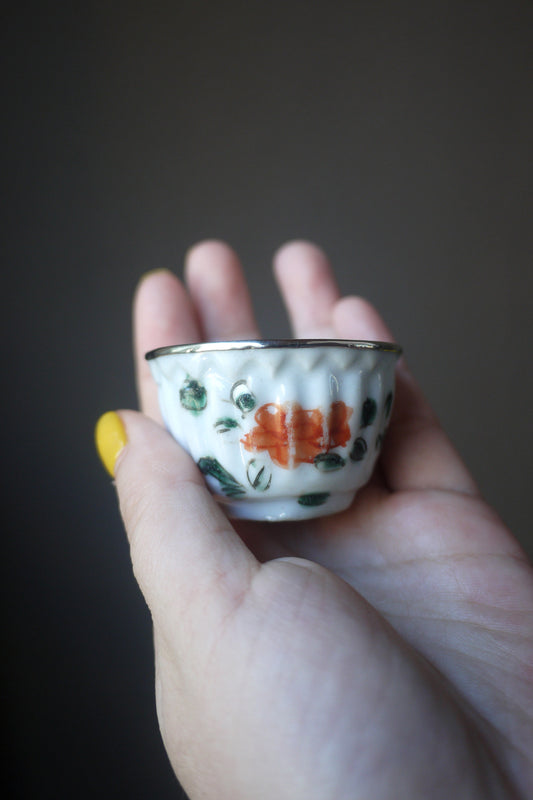
Le « kou » est une ancienne technique chinoise qui consiste à envelopper des bords en céramique de métal pour les protéger et les embellir. Apparue sous la dynastie Han, elle a évolué vers un art complexe.
Collage multimédia
Tasses à thé à bords en cuivre
-
ÉpuiséCharme été-vert
Prix habituel $69.00 USDPrix habituelPrix promotionnel $69.00 USDÉpuisé -
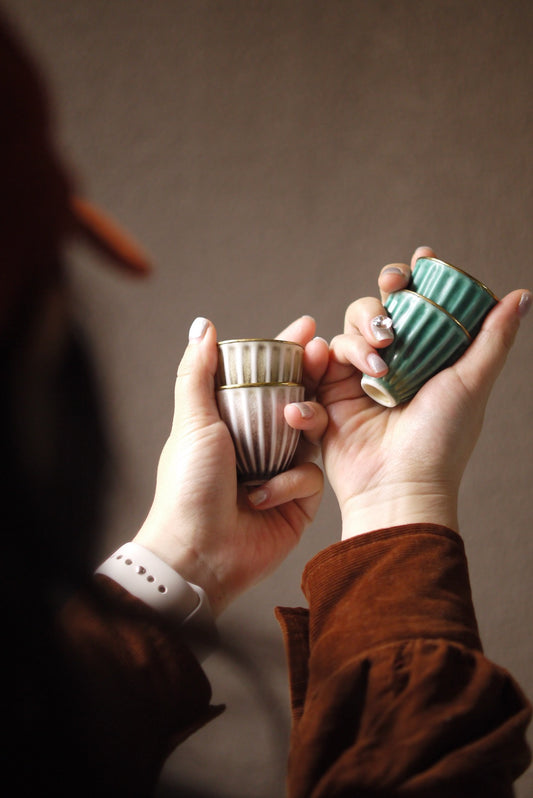
Théière en porcelaine Zen Serenity
Prix habituel $269.00 USDPrix habituelPrix promotionnel $269.00 USD -
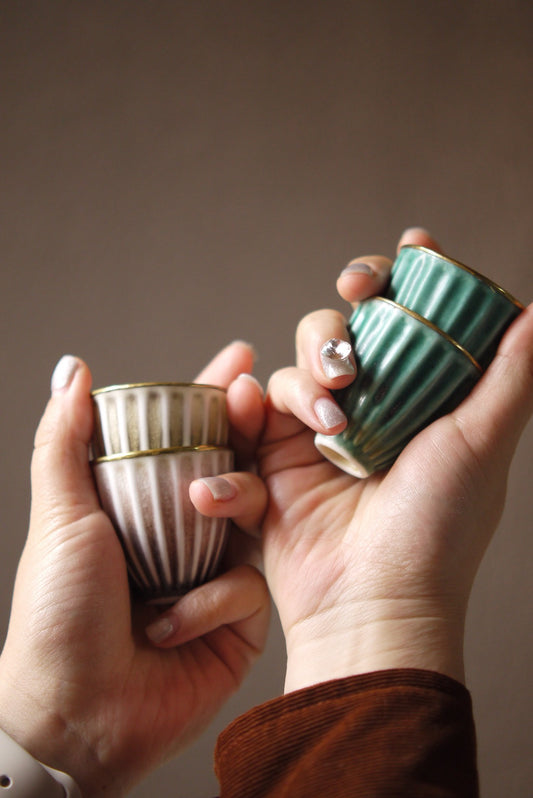
Théière Sérénité Poétique
Prix habituel $269.00 USDPrix habituelPrix promotionnel $269.00 USD -
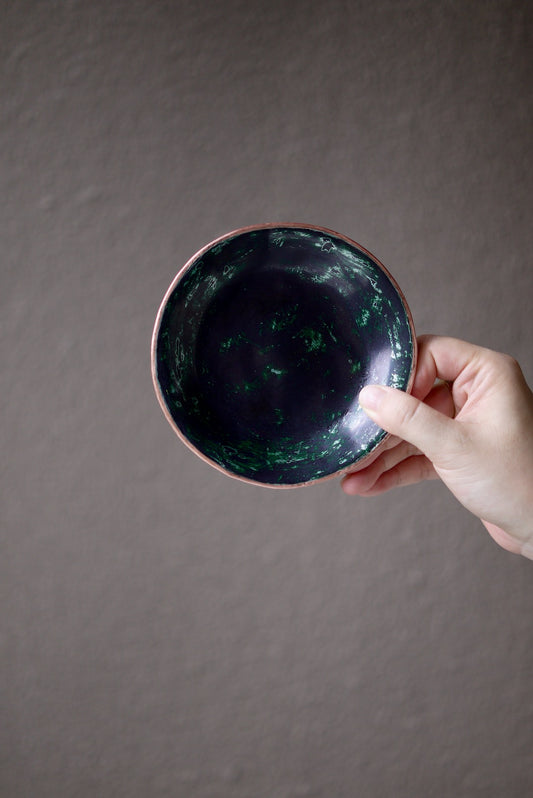
Tasse à thé en porcelaine de jade avec paysage
Prix habituel $99.00 USDPrix habituelPrix promotionnel $99.00 USD -
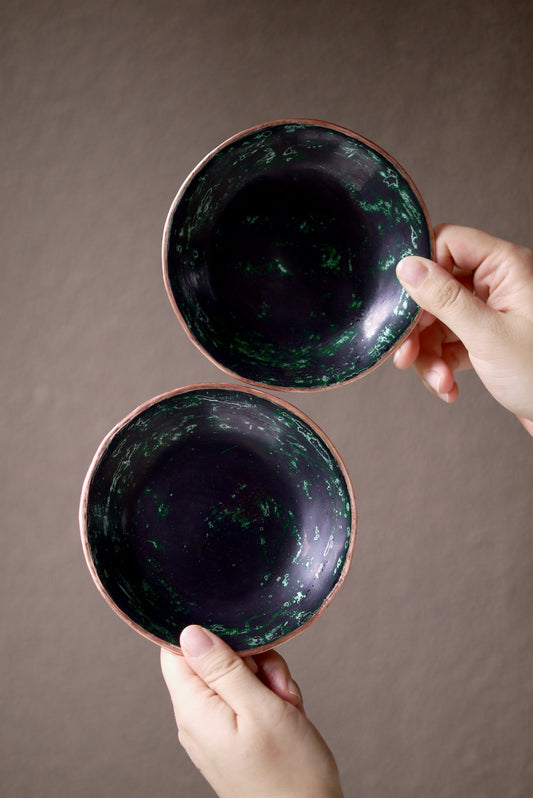
PromotionSupport de pot ancien
Prix habituel $139.00 USDPrix habituel$269.00 USDPrix promotionnel $139.00 USDPromotion -
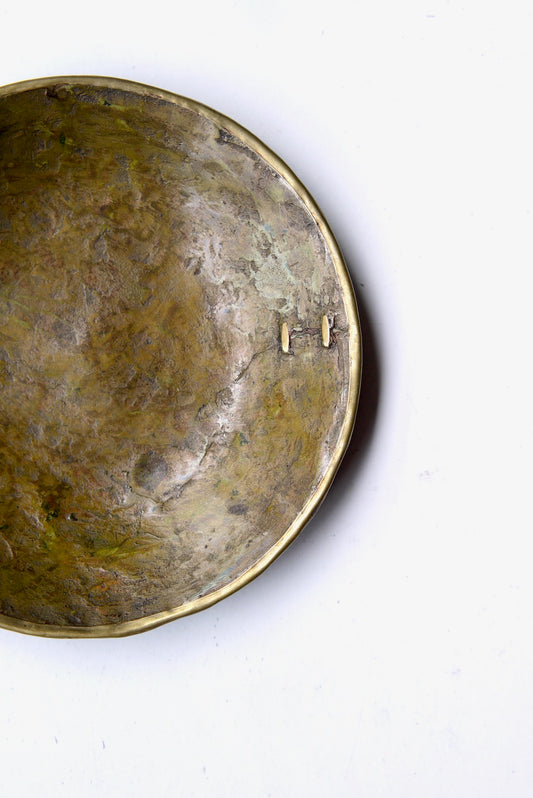
Coupe en fleur de prunier de la dynastie Ming
Prix habituel $299.00 USDPrix habituel$599.00 USDPrix promotionnel $299.00 USDPromotion -
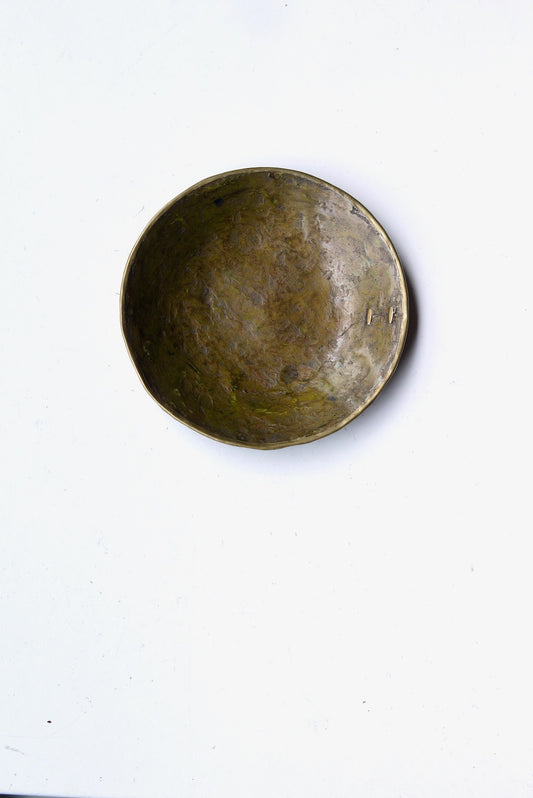
PromotionTasse à thé avec agrafes
Prix habituel $96.00 USDPrix habituel$169.00 USDPrix promotionnel $96.00 USDPromotion -
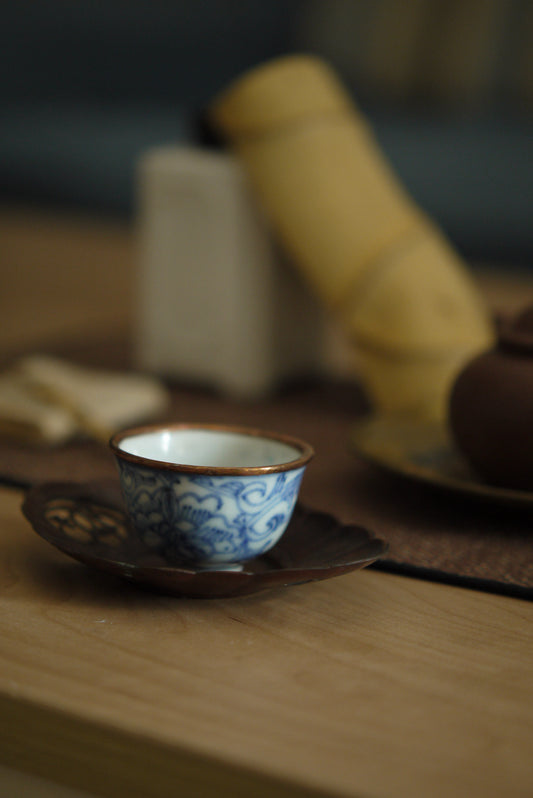
PromotionTasses à thé de peinture antique
Prix habituel $95.00 USDPrix habituel$169.00 USDPrix promotionnel $95.00 USDPromotion -
cuillère à thé en laque vintage
Prix habituel $299.00 USDPrix habituelPrix promotionnel $299.00 USD -
PromotionTasse à thé Ruoshen Kungfu
Prix habituel $459.00 USDPrix habituel$599.00 USDPrix promotionnel $459.00 USDPromotion -
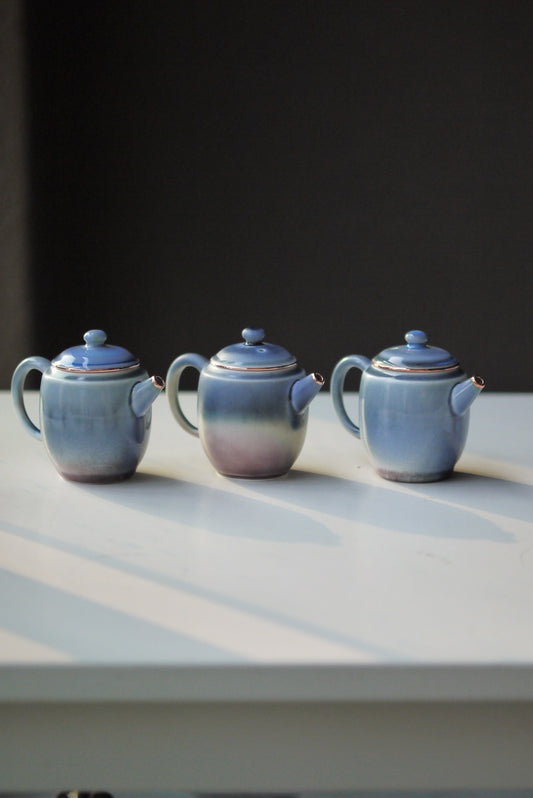
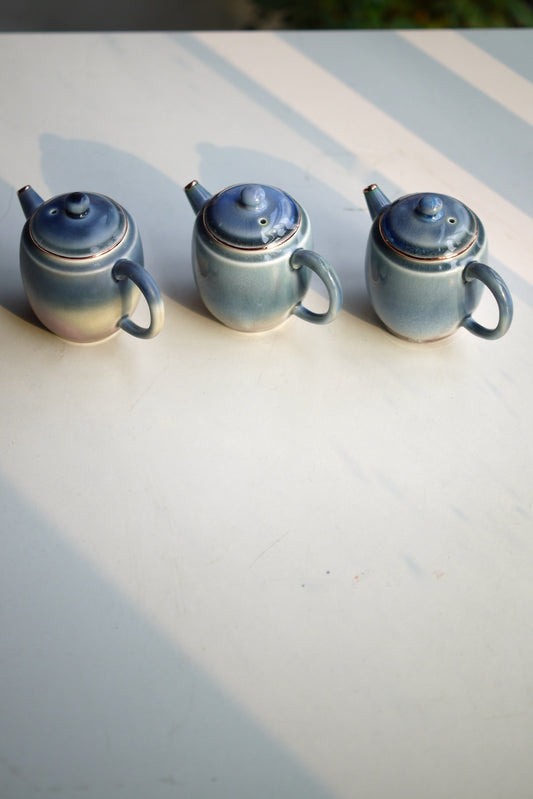
Théière à bord en cuivre
Prix habituel $179.00 USDPrix habituelPrix promotionnel $179.00 USD -
Tasses à thé à bords en cuivre
Prix habituel $169.00 USDPrix habituelPrix promotionnel $169.00 USD -
Plateau à Thé Laque Noire
Prix habituel $299.00 USDPrix habituelPrix promotionnel $299.00 USD -
Plateau à Thé en Laque Vintage
Prix habituel $299.00 USDPrix habituelPrix promotionnel $299.00 USD -
ÉpuiséTasse à thé ancienne
Prix habituel À partir de $96.00 USDPrix habituelPrix promotionnel À partir de $96.00 USDÉpuisé
Vous aimerez peut-être apprendre
Qu'est-ce que « Kou » ?
Le « kou » est une ancienne technique décorative orientale chinoise qui consiste à envelopper le bord des tasses à thé de métaux précieux tels que l'or, l'argent ou le cuivre. Cette méthode rehausse non seulement l'esthétique de la tasse, mais ajoute également une touche de tradition et de sophistication à votre dégustation. La technique du « kou » est un processus méticuleux qui exige savoir-faire et précision, garantissant à chaque pièce un caractère unique et un riche patrimoine culturel.
Does the metal rim affect the usability (e.g. for tea / food)? Is it safe?
Yes — in most cases, a properly executed metal-rimmed piece remains functional and suitable for tea or food. Metal banding does not inherently interfere with the vessel’s utility, provided the construction was well done and there are no cracks or gaps at the joint.
However, care is recommended: avoid long soaking, sudden temperature extremes (very hot or cold liquids), and strong blows to the rim — such stress may loosen the metal rim over time.
Why add a metal rim? What are the benefits?
- Strength & Durability: The metal band reinforces the rim or foot, reducing risk of chipping or cracking from impact or repeated use.
- Protects Vulnerable Edges: Ceramic rims are often the most fragile part of a vessel; metal rim helps protect them over time.
- Aesthetic & Value: A metal rim adds visual elegance, a touch of luxury, and reflects traditional craftsmanship — increasing the piece’s collectible appeal and status.
Are all broken or chipped ceramics / lacquerware suitable for Kou repair?
No — Kou repair works best when the fragments align well and the body/glaze of the vessel is still intact and compatible with metal banding. If the rim or body is extremely thin, severely shattered, or the glaze surface resists bonding, traditional metal-rim repair may not be reliable or safe.
Furthermore, modern “quick fixes” using resins or adhesives may restore shape, but they typically do not match the durability, authenticity, or historical value of traditional metal rim work — and may not be suitable for food / drink use.
How to care for and maintain metal-rimmed pottery / lacquerware?
- Hand-wash gently with soft sponge or cloth, avoid harsh scrubbers that may scratch or loosen metal edges.
- Do not soak for long periods; dry thoroughly after washing to prevent moisture from accumulating at metal-ceramic junctions.
- Avoid sudden temperature changes (e.g. pouring boiling water into a cold vessel), which may stress the glaze-metal interface.
- When storing or stacking, put soft padding between pieces to avoid metal edges bumping against each other and scratching.
Does metal banding affect the value / collectability of the piece?
In many cases, yes. Metal-rimmed vessels — especially when the metal work is done by skilled artisans using high-quality materials (like silver, copper, or alloy) — are often valued higher for their added durability, beauty, and craftsmanship. The metal rim also signals intentional repair or enhancement, which can increase historical and aesthetic appeal (especially if done in traditional style).
However, if the metal rim is added in a crude, poorly matched, or low-quality manner, it can diminish the vessel’s original aesthetic integrity, lower its value, or even make it unsuitable for serious collectors. The craftsmanship behind the rim truly makes all the difference.
Is Kou-釦 considered a sustainable / restorative craft?
Yes. By reinforcing and restoring damaged or fragile ceramics, Kou-釦 prolongs the life of existing pieces instead of discarding them. This aligns with heritage craft philosophy — valuing longevity, repair, and reuse, rather than disposability.
It also preserves the history and character of the original piece, while adding new layers of meaning and function.
Est-ce que « Kou » nécessite de la colle ?
Non, le « Kou » ne nécessite pas de colle. Le métal est soigneusement enroulé autour du bord de la tasse, assurant un ajustement parfait et sûr. Cette technique s'appuie sur les propriétés naturelles du métal et le savoir-faire artisanal, garantissant une tenue parfaite sans colle. L'absence de colle préserve également la pureté des matériaux, préservant ainsi l'intégrité et l'authenticité de la pièce.
Comment entretenir vos produits « Kou » ?
Entretenir vos produits « Kou » est simple, mais nécessite des soins pour préserver leur beauté et leur longévité. Voici quelques conseils :
- Nettoyage : Lavez délicatement vos tasses à thé « Kou » à la main, à l’eau tiède et avec un chiffon doux. Évitez les nettoyants abrasifs ou les tampons à récurer, car ils risquent de rayer le métal ou la porcelaine.
- Séchage : Après le lavage, séchez immédiatement la tasse à thé avec un chiffon doux pour éviter les taches d'eau et l'oxydation sur le bord métallique. Évitez de la laisser sécher à l'air libre.
- Conservation : Conservez vos tasses à thé « Kou » dans un endroit sec et frais, à l’abri de la lumière directe du soleil. Une exposition prolongée au soleil peut ternir ou décolorer le métal avec le temps.
- Manipulation : Manipulez vos tasses à thé « Kou » avec précaution. Le bord métallique, bien que solide, peut être fragile. Évitez de faire tomber la tasse ou de la cogner contre des surfaces dures pour éviter les bosses ou les dommages.
Conseils supplémentaires
- Oxydation des métaux : Il est naturel que les métaux comme l'argent et le cuivre s'oxydent avec le temps, ce qui peut entraîner des changements de couleur. Par exemple, l'argent peut foncer et le cuivre prendre une teinte plus profonde et plus riche. Cette oxydation est un processus normal qui confère du caractère à la pièce.
- Polissage : Si vous souhaitez que le métal conserve son éclat d'origine, vous pouvez polir délicatement la jante avec un chiffon doux, comme du velours, pour lui redonner son éclat. Évitez toutefois les produits de polissage pour métaux contenant des produits chimiques agressifs, car ils pourraient endommager la finition.
- Taches de thé : La surface lisse des tasses à thé « Kou » est conçue pour résister aux taches de thé. En cas de taches, utilisez une solution douce de bicarbonate de soude pour les nettoyer sans endommager le métal ou la porcelaine. Un nettoyage régulier de la zone de contact entre le métal et la porcelaine contribuera également à préserver la tasse en parfait état.
En suivant ces conseils d'entretien, vos tasses à thé « Kou » resteront belles et fonctionnelles pendant des années, ajoutant une touche d'élégance à vos rituels du thé. Le caractère unique de chaque pièce « Kou » en fait bien plus qu'une simple tasse à thé : c'est une œuvre d'art qui incarne la riche tradition de l'artisanat chinois.