The Art of Serenity

Kintsugi Series

Série Kintsugi

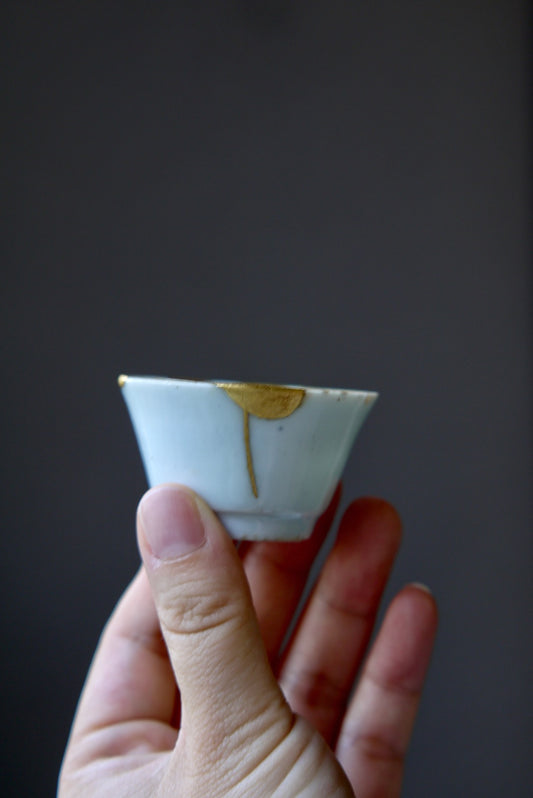
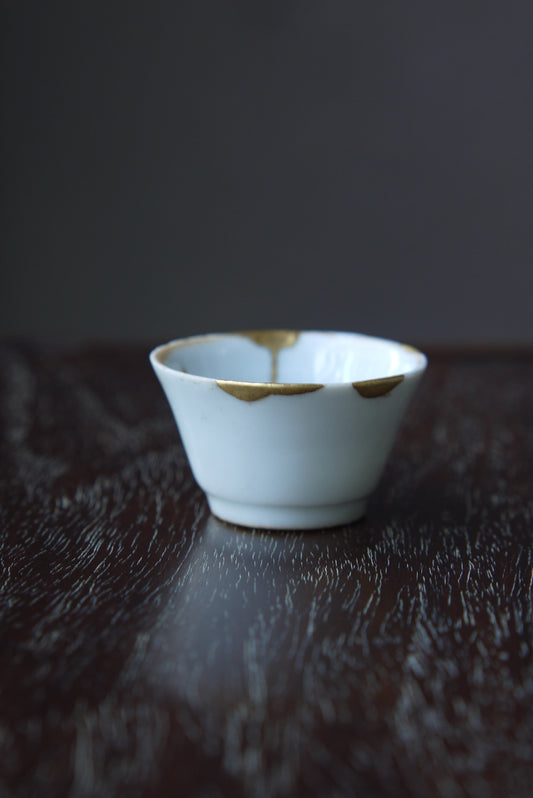
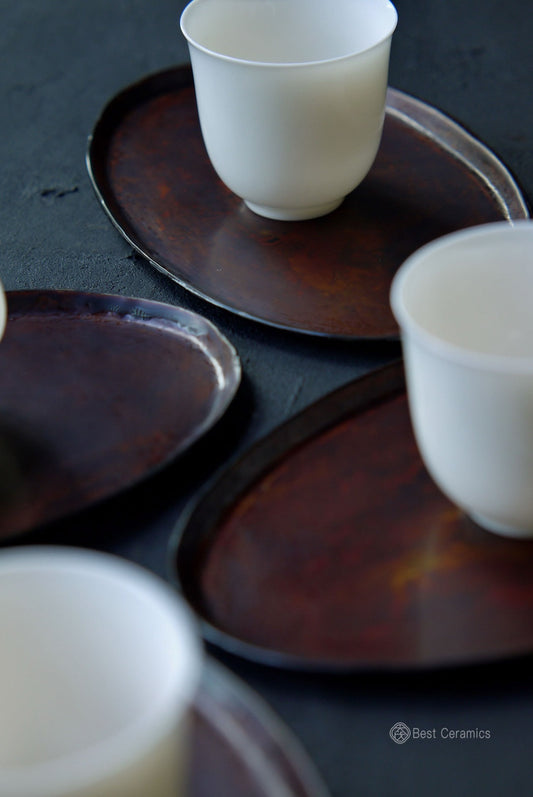
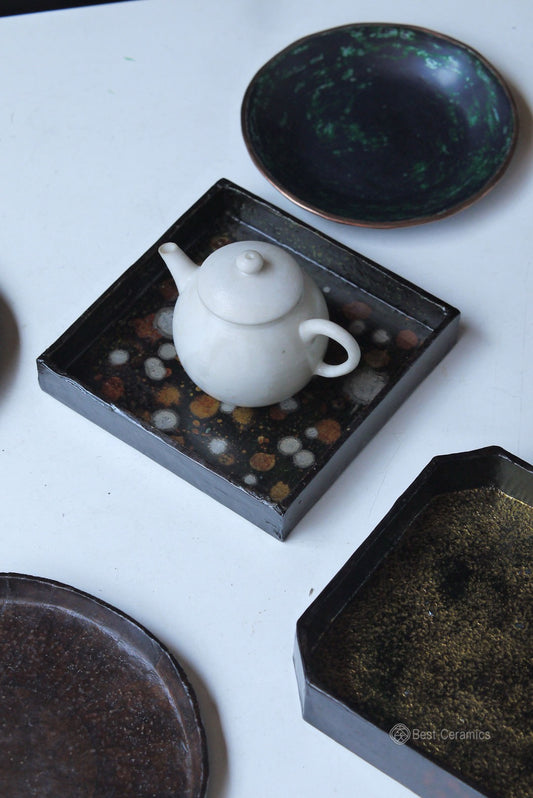
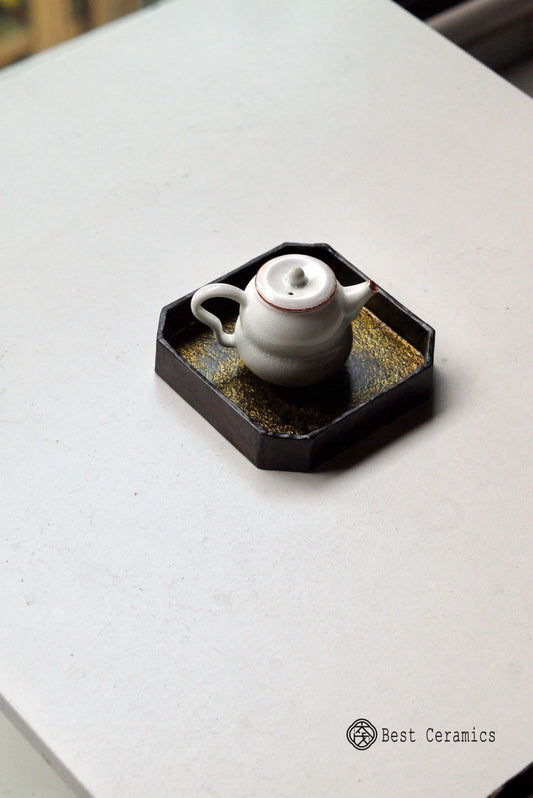
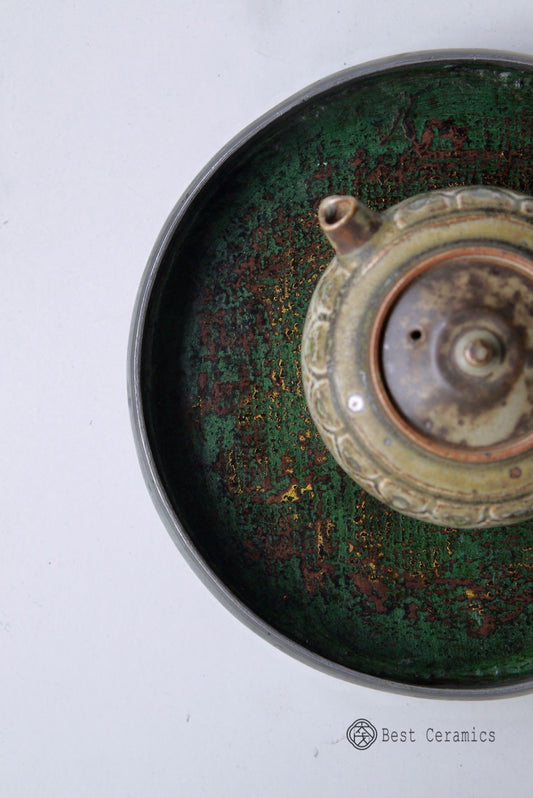
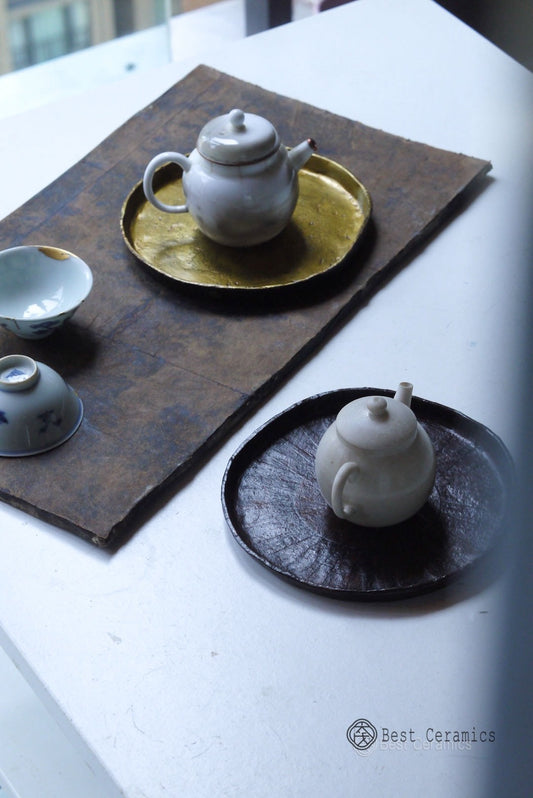
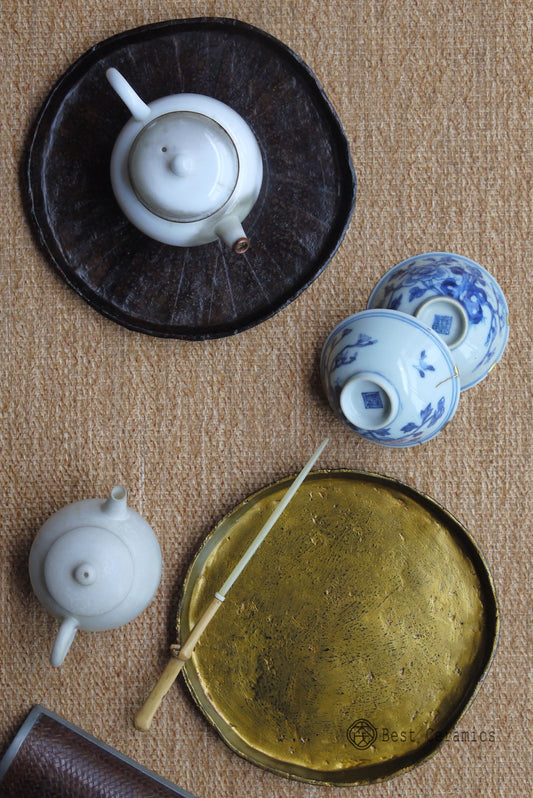
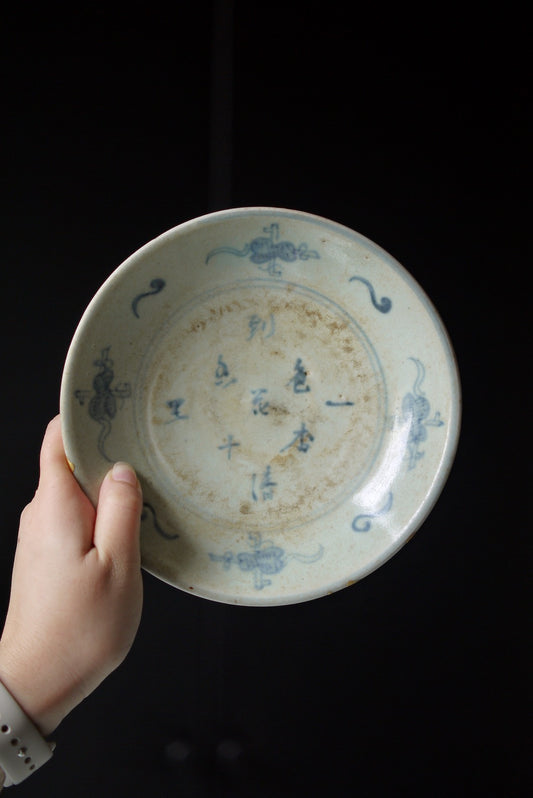
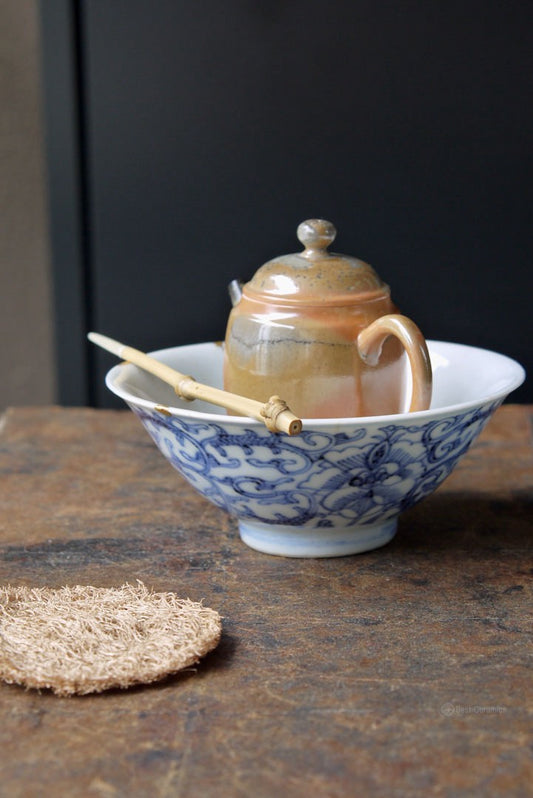
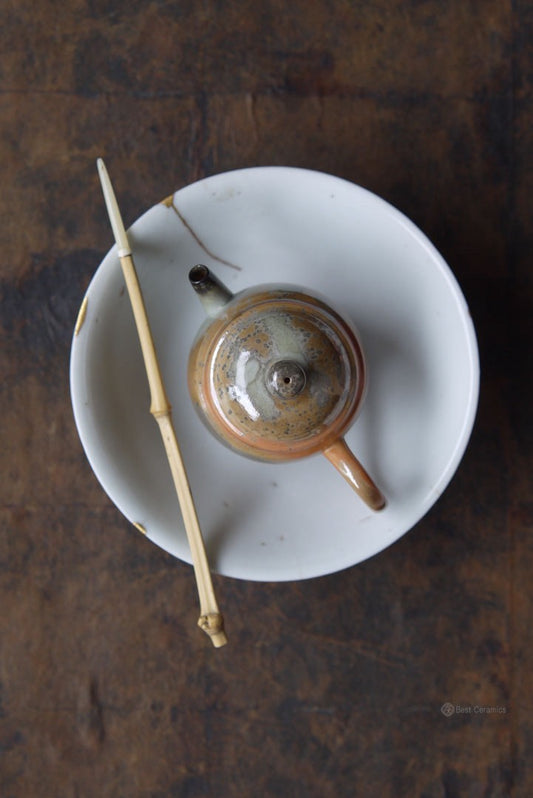
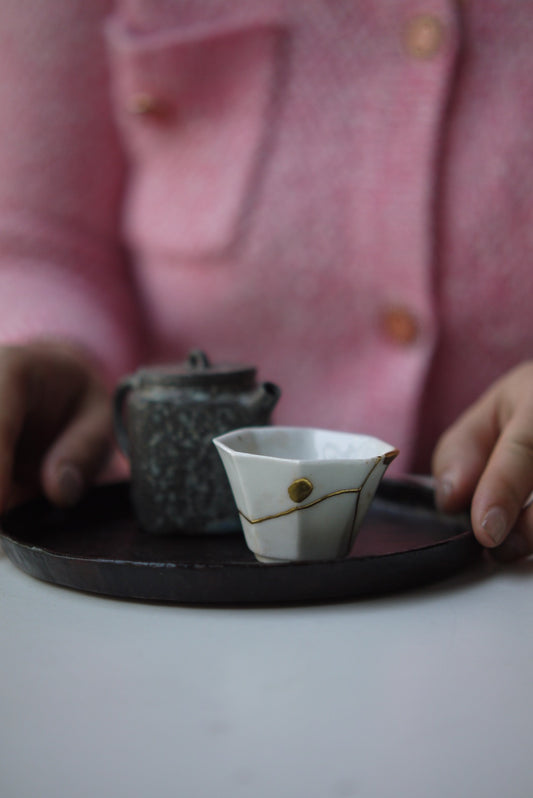
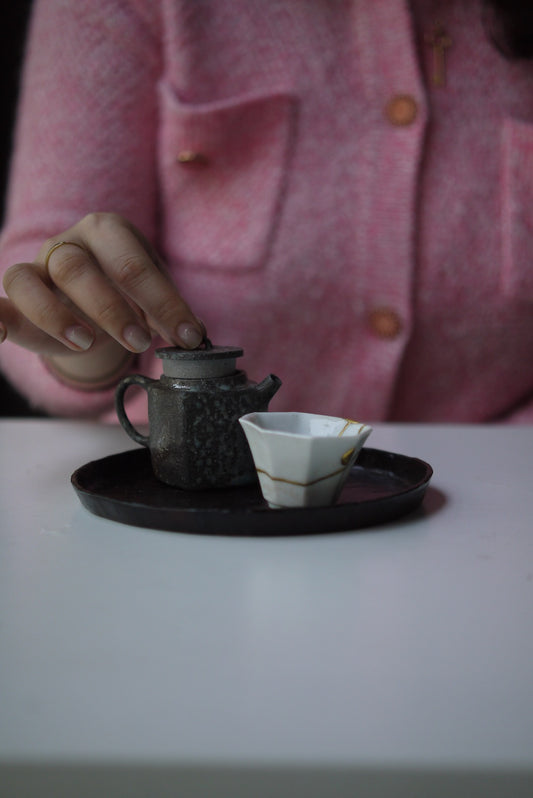
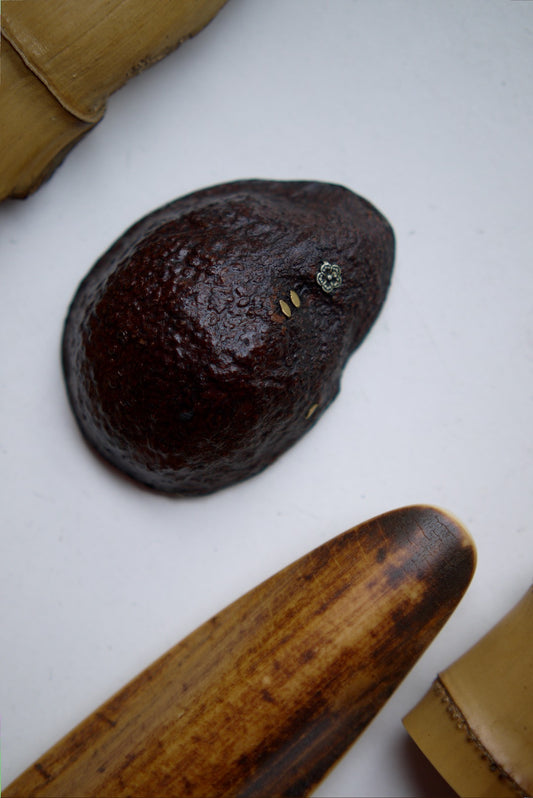
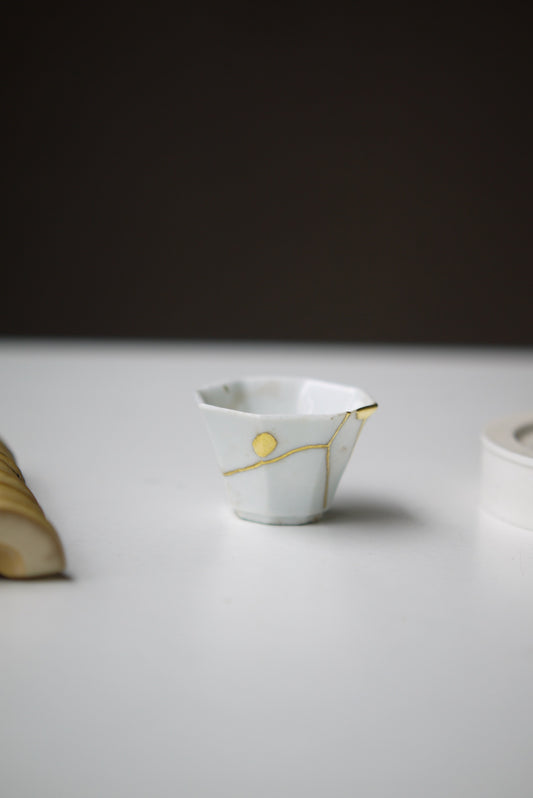
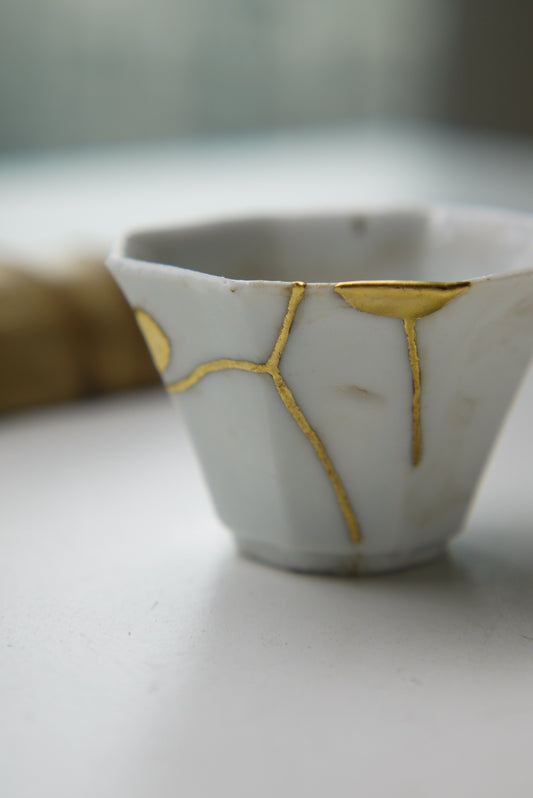
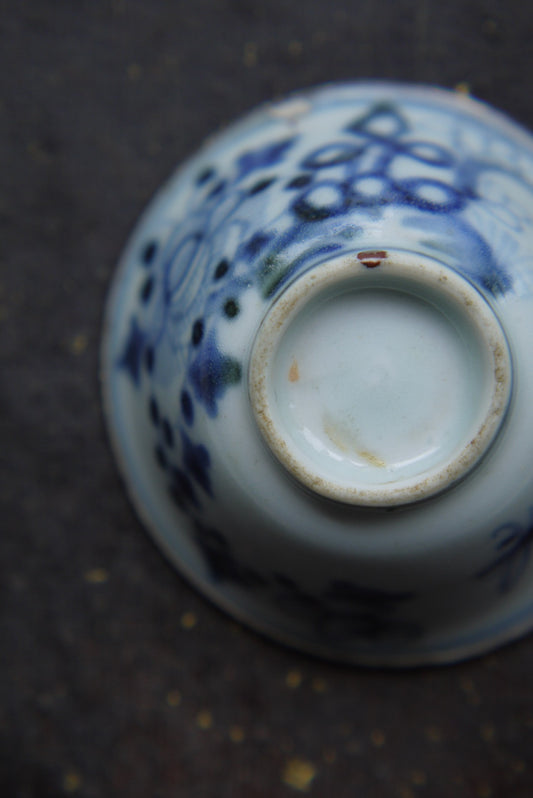
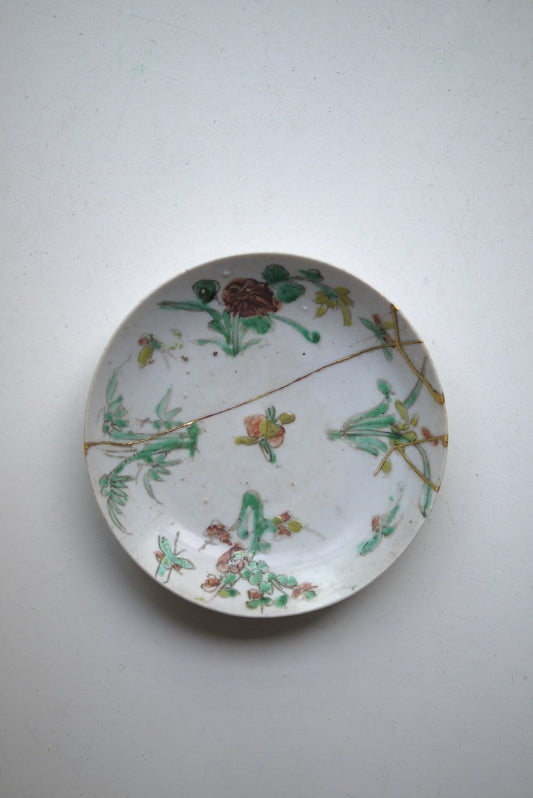
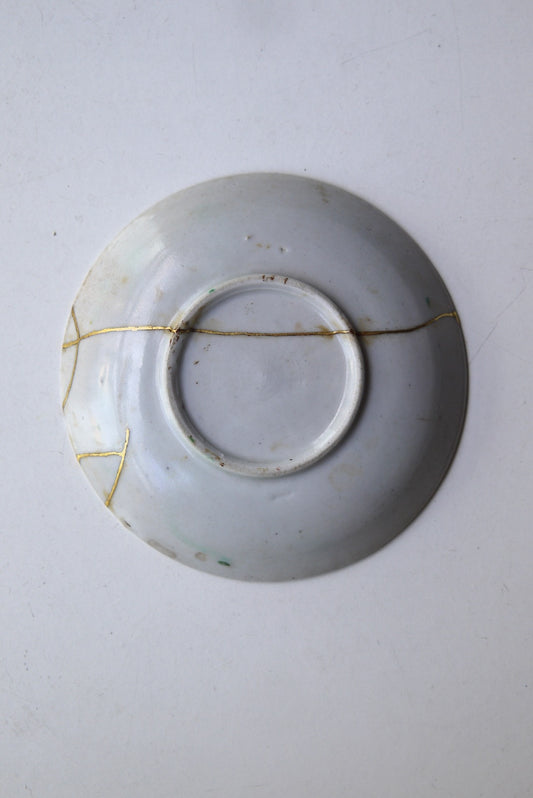
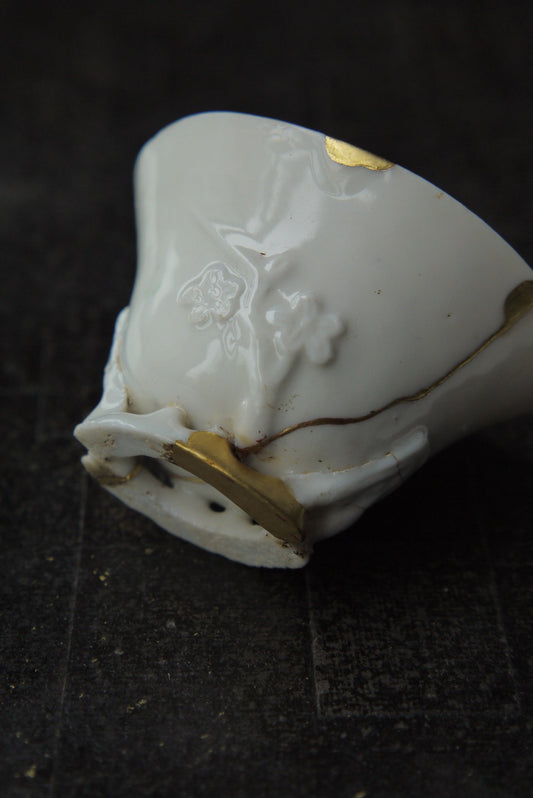
Ici, vous voyez les Kintsugi Teawares créés par Kevin Yuan, propriétaire de...

Collection: Laque

Lacquer Art FAQ | Lacquerware Care & Use

What is lacquerware made of? Is it natural lacquer?

Traditional lacquerware is coated with natural lacquer (urushi), tapped from lacquer trees. Many contemporary high‑end items—like those we offer—use natural urushi or traditional lacquer methods. Unlike synthetic coatings, natural lacquer produces a durable, water‑resistant, high‑gloss finish valued for its depth and longevity.  

Can lacquerware be used for tea, water, or food? Is it safe?

Yes, lacquerware is suitable for serving tea, lightly warm drinks, or moderately warm food. Because of its natural coating, it is resistant to water, alcohol, and mild acidity under normal use.  

Important care notes:

  • Avoid boiling water or extremely hot contents — sudden temperature changes can damage the lacquer finish.  
  • Do not microwave or use dishwashers or ovens.  

How do I clean and maintain lacquerware to preserve its beauty?

Proper care is simple but essential for longevity:

  • Wash gently by hand using lukewarm water and a mild, pH‑neutral detergent with a soft sponge or cloth.  
  • Rinse and dry promptly with a soft towel — never leave lacquerware soaking or sitting with water.  
  • Avoid abrasive scrubbers, harsh chemicals, dishwasher, microwave, or excessive heat.  
  • Store in a cool, dry place away from direct sunlight. For long-term storage, wrap each piece in soft cloth or tissue paper and avoid stacking without padding.  

Is lacquerware sensitive to light, heat, or humidity changes?

Yes. Lacquer surfaces are sensitive to ultraviolet light, excessive dryness, and large temperature or humidity fluctuations.

  • Long-term exposure to direct sunlight or UV light can fade the finish and weaken the lacquer film.  
  • Extremely dry or overly moist environments may cause cracking or deformation, especially if the base is wood.  

To preserve your lacquerware’s gloss and integrity, display and store items in stable, moderate climates — away from direct light and temperature extremes.

Can lacquerware get damaged or deteriorated over time? Can it be restored?

Yes. Over years, lacquerware may show wear: fading, cracks, loss of gloss, or shrinkage — especially with exposure to light, improper cleaning, or extreme environments. Once lacquer oxidizes or degrades, recovery is very difficult.  

However, traditional lacquerware (with solid wood base and multiple lacquer layers) can often be refinished or repaired by skilled artisans — such as re‑lacquering, filling losses, or restoring the coating — to prolong their life and preserve their value.  
Are there any safety or allergy concerns with lacquerware?

Natural lacquer contains urushiol compounds — for some individuals, direct contact with unfinished lacquer or fresh lacquer sap may cause skin irritation or allergic reactions.  

We recommend that those with sensitive skin or known allergies handle lacquerware with care or consult a professional before long-term use.

Once fully cured (as our finished products are), lacquerware is generally safe to use under normal conditions.

Why is handmade lacquerware more expensive than ordinary ceramics or synthetic tableware?

Because traditional lacquerware involves:

  • Natural materials (urushi lacquer, wood, cloth/paper substrates)
  • Complex, time‑intensive hand layering, polishing, and finishing — often requiring weeks for full curing and waxing
  • Skilled artisan labor and heritage craftsmanship, often using techniques passed down generations

This combination of material cost, labor, and cultural value makes handcrafted lacquerware both durable and collectible — far beyond mass‑produced plastic or resin wares.

Furthermore, handmade lacquerware ages beautifully and can be repaired and maintained over decades, offering long-term value instead of disposability.

What should I avoid when using lacquerware?

To protect your lacquerware’s beauty and longevity, avoid:

  • Microwaves, dishwashers, ovens, or dish‑dryers
  • Abrasive sponges, harsh detergents, strong chemicals
  • Soaking in water, prolonged contact with boiling water
  • Direct sunlight, high heat, extreme dryness or humidity swings
  • Using sharp metal cutlery directly on lacquer surfaces — use wooden or silicone utensils instead  


Also, avoid stacking lacquerware directly — when stacking, always place soft cloth or tissue between pieces to prevent micro-scratches.  

Can lacquerware be considered eco‑friendly and sustainable?

Yes. Authentic lacquerware, when made with natural urushi and traditional methods, relies on renewable resources (wood, lacquer sap, cloth/paper) and avoids plastic or synthetic coatings. Given proper care, lacquerware can last for decades, reducing waste from disposable tableware. Many lacquerware traditions emphasize sustainability, repairability, and longevity — values aligned with mindful living and heritage preservation.  

 I have an old lacquer piece — can it be repaired if damaged?

Possibly yes — if the base material is intact (e.g. wood) and lacquer layers are salvageable, traditional lacquer restoration techniques exist: re‑lacquering, filling losses, redoing the finish. Experienced artisans can restore even aged lacquerware, preserving both function and aesthetic value.  

If damage is extensive (deep cracks, substrate decay, severe wear), restoration may be difficult or may alter the original look — we recommend seeking professional evaluation.